Powersports Electrical Diagnostics: When Your UTV Won't Start or Acts Up
UTV electrical problems are the most frustrating failures a rider can face — you can't see what's wrong. Here's how to read what your machine is telling you, why factory scan tools matter, and when it's time to bring it in.
D&P Performance
3 months ago
You turn the key, and nothing. Or worse — it cranks, sputters, throws a dash light you've never seen before, and dies. UTV electrical problems are the most frustrating failures a rider can face, because unlike a torn boot or a worn belt, you can't see what's wrong. There's nothing to point at. Just a machine that won't cooperate when you're loaded up and ready to ride.
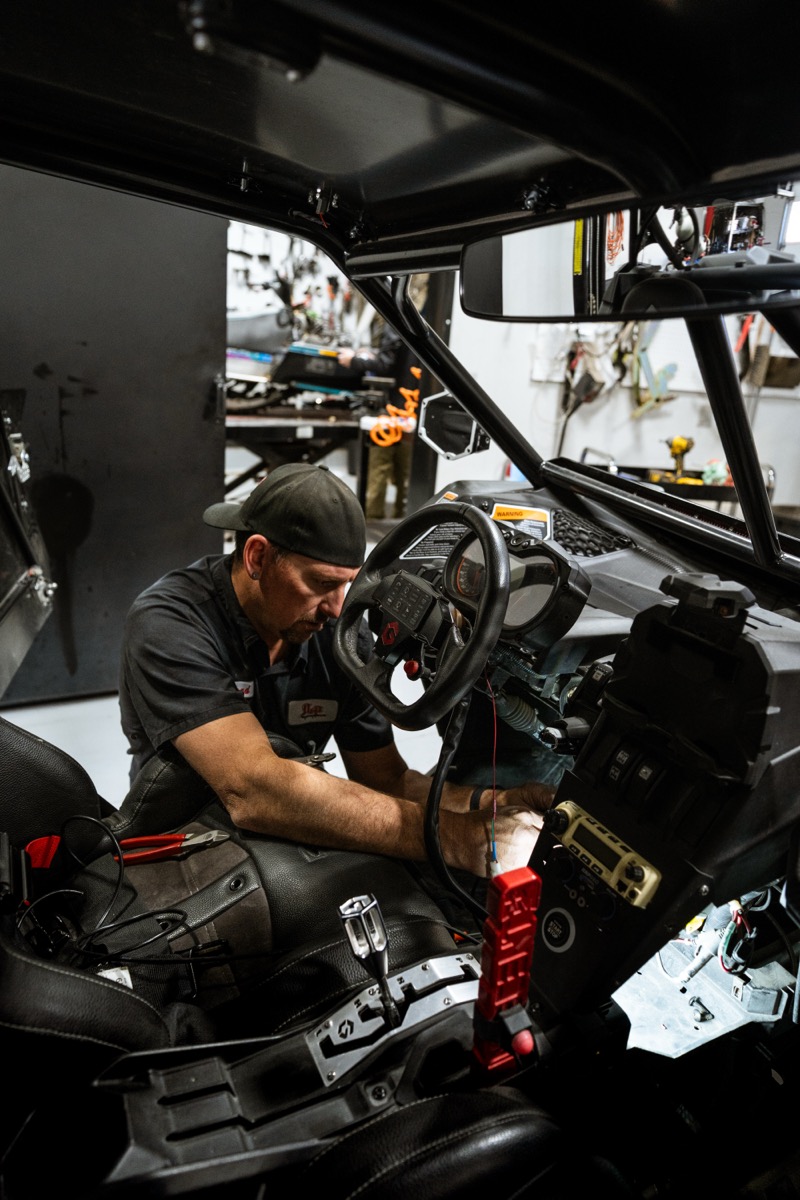
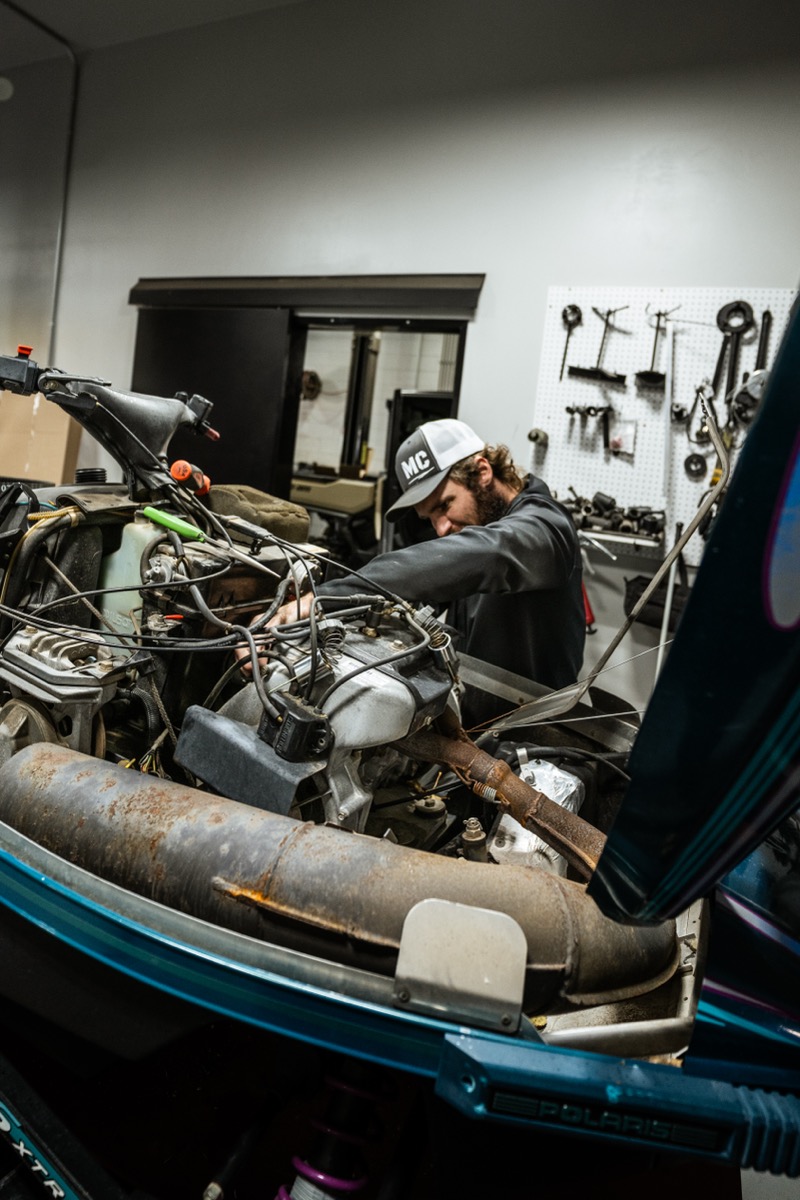
If your UTV won't start, runs rough for no obvious reason, or has lights and accessories that work when they feel like it, you're dealing with an electrical fault. And electrical faults are exactly the kind of problem that sends people chasing parts they don't need. At D&P Performance, we've been diagnosing powersports electrical systems in Cedar City since 1978, and we do it with factory-level scan tools for every brand we service — not a guess and a parts cannon.
Here's how to read what your machine is telling you, and when it's time to bring it in.
Common Electrical Symptoms and What They Usually Mean
Electrical problems tend to announce themselves in a handful of recognizable ways. None of these are a diagnosis on their own, but they point us in the right direction fast.
Clicking but no crank. A rapid click when you hit the start button usually means the battery doesn't have the amperage to turn the engine over — a weak battery or a bad connection.
No response at all. A completely dead dash often points to the main battery connection, a blown main fuse, or a failed kill switch or ignition.
Cranks but won't fire. Now we're looking at the ignition side — a sensor, a relay, or a fuel pump that isn't getting power.
Intermittent dying or stalling. The hardest kind to chase. A connection that's good at rest and bad under vibration, or a sensor that's failing as it heats up.
Accessories that flicker or quit. Lights, winch, or a stereo cutting in and out almost always trace back to the accessory wiring, not the machine itself.
The trick with electrical diagnosis is that the same symptom can have five different causes. That's why we test instead of assume.
Battery Issues: The First Thing We Check
The battery is the single most common cause of a UTV that won't start, and the easiest to misdiagnose. A battery can read 12 volts sitting still and still collapse the instant it's asked to crank the engine. That's why we run a load test, not just a voltage check.
We're looking at three things:
State of charge — is the battery actually full?
Cranking capacity under load — does it hold voltage when the starter pulls on it?
Parasitic draw — is something draining it while the machine sits?
That third one catches a lot of people. If your UTV starts fine after a charge but is dead again after a week in the garage, you don't have a bad battery — you have a parasitic draw. Something in the system is pulling current with the key off. An aftermarket accessory wired without a relay is a frequent culprit, and tracking it down is a measurement, not a guess.
Wiring Harness Problems: Trail Damage, Water, and Rodents
Wiring harness faults are tedious to chase — methodical testing section by section is the only reliable way to find them.
Your wiring harness lives a hard life out here. Southern Utah riding means dust, vibration, water crossings, and brush — and every one of those eventually finds the weak point in a connector or a chafed wire.
The big three we see:
Trail damage. A rock strike or a low-hanging branch can pinch or sever a harness run you'd never spot without pulling panels.
Water intrusion. A creek crossing or a pressure-wash into the wrong connector corrodes pins and creates resistance that throws off everything downstream.
Rodents. If your machine sits over the winter, mice chew insulation for nesting material. We pull more than a few harnesses every spring with rodent damage that turned into a baffling electrical fault by riding season.
Harness faults are tedious to chase because the failure is often inches from where the symptom shows up. Methodical testing — checking continuity and voltage drop section by section — is the only reliable way to find them.
ECU and Computer Diagnostics: Why You Need Factory Scan Tools
Modern UTVs are computers on wheels. Your machine's ECU monitors dozens of sensors and stores a fault code the moment something reads out of range. The catch is that a generic code reader from the auto parts store can't talk to most powersports ECUs, and even when it connects, it can't see the brand-specific data that actually points to the fault.
This is where having the right shop matters. D&P runs factory-level scan tools for the brands we service, which lets us pull live data and stored codes straight from the machine's own computer — Can-Am, Polaris, Honda, Yamaha, Kawasaki, CFMOTO, and beyond. Instead of swapping parts hoping one fixes it, we read what the ECU already knows and confirm it with a meter. (You can read more about why the right diagnostic equipment separates shops in our guide to choosing a powersports service shop in Southern Utah.)
Lighting, Winch, and Accessory Electrical Issues
Aftermarket accessories look great — but how they're wired determines whether they help you or haunt you on the trail.
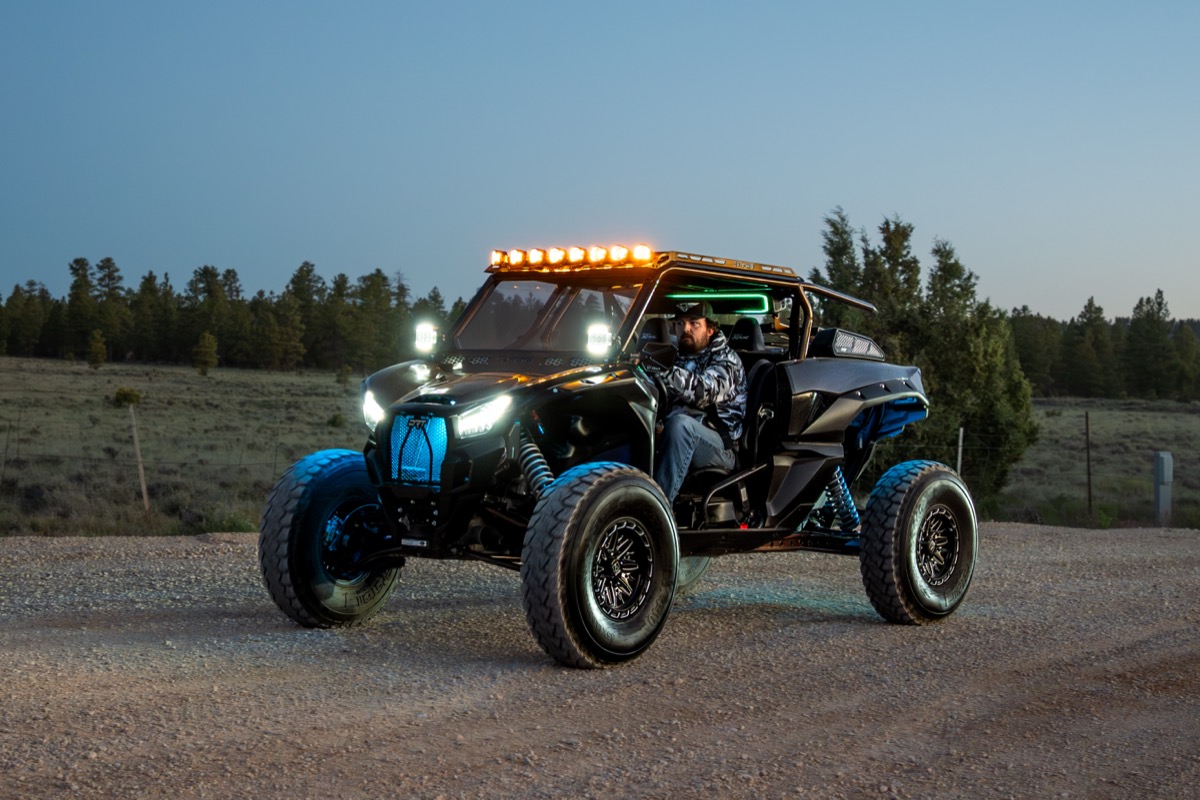
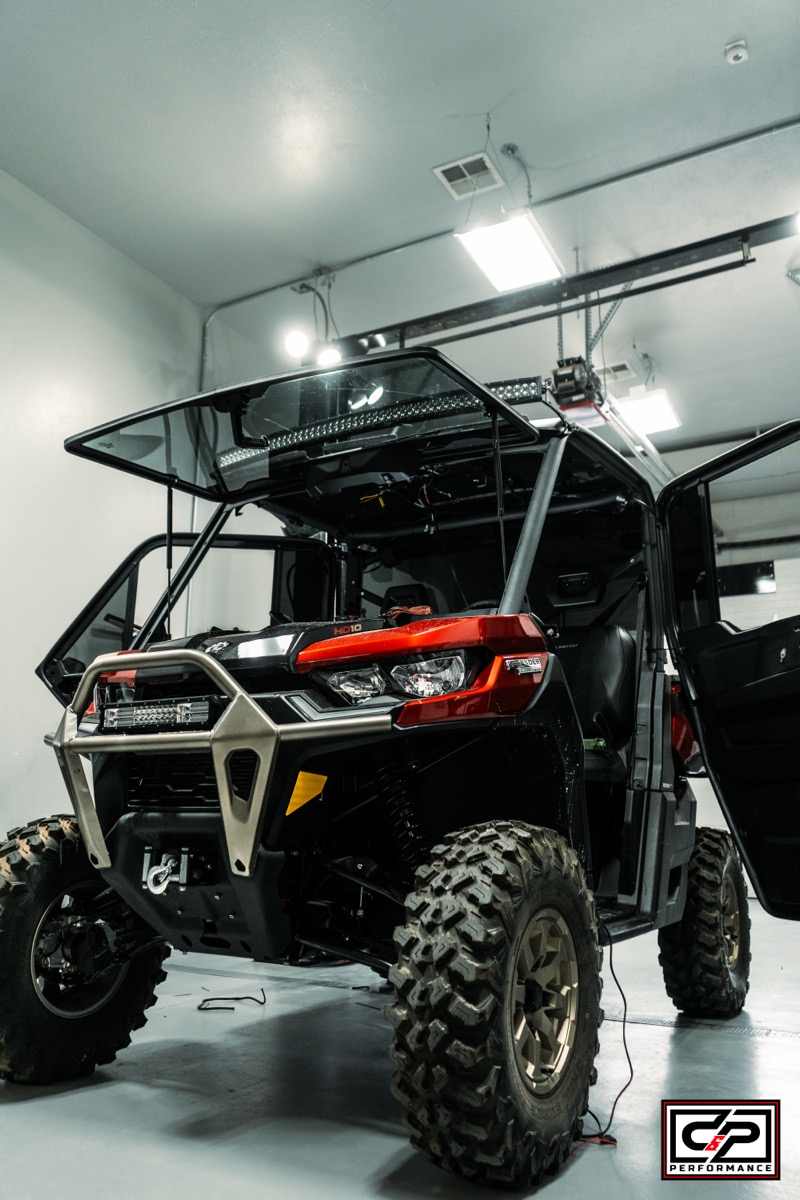
A huge share of the "electrical problems" we see aren't problems with the machine at all — they're problems with what got bolted onto it. Light bars, winches, whips, stereos, and aux switches all draw power, and how they were wired determines whether they help you or haunt you.
When an accessory was tapped into the wrong circuit, installed without a proper fuse, or spliced with a connector that wasn't built for the load, the result is intermittent gremlins that are maddening to trace — because the fault only shows up when the accessory is under load or the trail is rough enough to shake a bad connection loose.
Why Aftermarket Wiring Jobs Cause Problems (and How We Fix Them)
We're not against accessories — far from it. We just see what happens when they're rushed. A winch wired straight to the battery with no relay, a light bar tapped into the ignition circuit it overloads, grounds bolted to painted metal that never made real contact. Each one works fine on the bench and fails on the trail.
When we fix an aftermarket wiring job, we relay-isolate high-draw accessories, fuse every circuit properly, use weatherproof connectors rated for the load, and ground to clean metal. Done right once, it holds up — which is a lot cheaper over the life of the machine than chasing the same gremlin every season. (If you've ever talked yourself out of fixing a small electrical issue, it's worth reading the real cost of skipping UTV maintenance — electrical neglect escalates the same way mechanical neglect does.)
D&P's Diagnostic Process and What to Expect
Every electrical diagnostic at D&P starts with listening, then scanning, then verifying with real measurements.
When you bring an electrical issue to D&P, here's how it goes:
We listen. When did it start, what were you doing, does it happen hot or cold, wet or dry? Your description narrows the search before we ever touch a meter.
We scan. We pull stored and live codes with the factory tool for your brand.
We test. We confirm the code with real measurements — voltage drop, continuity, load testing — so we fix the cause, not the symptom.
We quote. You get an estimate before any repair work begins. No surprises.
We fix it right. And we verify the fix under the same conditions that caused the failure.
Electrical work rewards experience and the right equipment, and it punishes guessing. That's exactly the kind of work our factory-trained techs do every week — and because we ride these same trails, we know what Southern Utah dust, heat, and water crossings do to a wiring harness over time.
Don't throw parts at a problem you can't see. D&P Performance has factory diagnostic tools for every brand we service, and 47+ years of experience reading what your machine is actually telling you. We're right here in Cedar City — no drive to St. George required.
Why won't my UTV start when it was running fine yesterday?
A no-start that shows up overnight is most often a battery problem, a loose or corroded connection, or a parasitic draw that quietly killed the battery while it sat. A quick voltage and load test tells us whether the battery is dead, dying, or being drained by something else. If the battery checks out, we move to the starter circuit, kill switches, and ignition.
Can you diagnose electrical problems on any brand of UTV?
Yes. D&P services all major powersports brands, and our techs run factory-level scan tools to pull codes from Can-Am, Polaris, Honda, Yamaha, Kawasaki, CFMOTO, and more. A generic code reader simply can't see what a brand-specific scan tool sees.
How much does an electrical diagnostic cost?
Most electrical diagnostics start at a standard diagnostic labor charge, and we give you the estimate before any further work begins. Finding the fault is the hard part — once it's isolated, the repair is often straightforward. Call (435) 586-5172 for current rates.
Why do aftermarket lights and winches cause electrical problems?
Accessories often get wired into circuits that weren't built for the extra load, tapped without proper fusing, or spliced in a way that fails the first time it gets wet or vibrates loose. We fix the wiring the right way so it holds up to Southern Utah riding.
Tags:
UTV Electrical
Diagnostics
Electrical Repair
Wiring
Battery
Southern Utah
Cedar City
Powersports Service