The Real Cost of Skipping UTV Maintenance (And What Happens When You Do)
Nobody buys a UTV planning to neglect it. But life gets busy, the riding season is short, and one skipped service turns into two. Then the belt shreds at Sand Hollow. Here's what that really costs — and why preventive maintenance is the cheapest insurance policy on your machine.
D&P Performance
3 months ago
Nobody buys a UTV planning to neglect it. But life gets busy. The riding season is short. The machine ran fine last weekend, so it'll probably run fine next weekend too. And the weekend after that.
Then one day it doesn't.
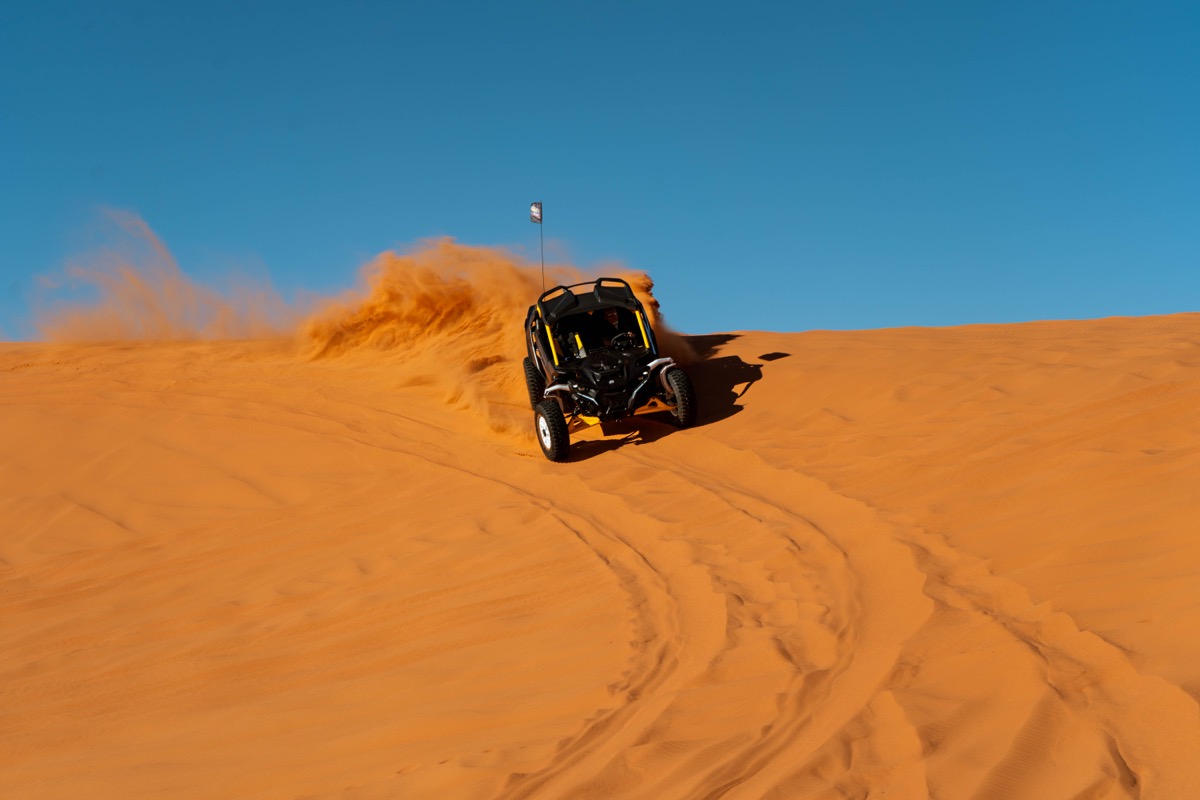
The belt shreds at Sand Hollow, ten miles from the trailhead. The differential locks up on Parowan Canyon road. The engine overheats climbing out of Duck Creek because the coolant hasn't been touched in two years. And now instead of a service bill, you're looking at a repair bill — plus the tow, plus the lost weekend, plus the look on your wife's face when you tell her how much the fix costs.
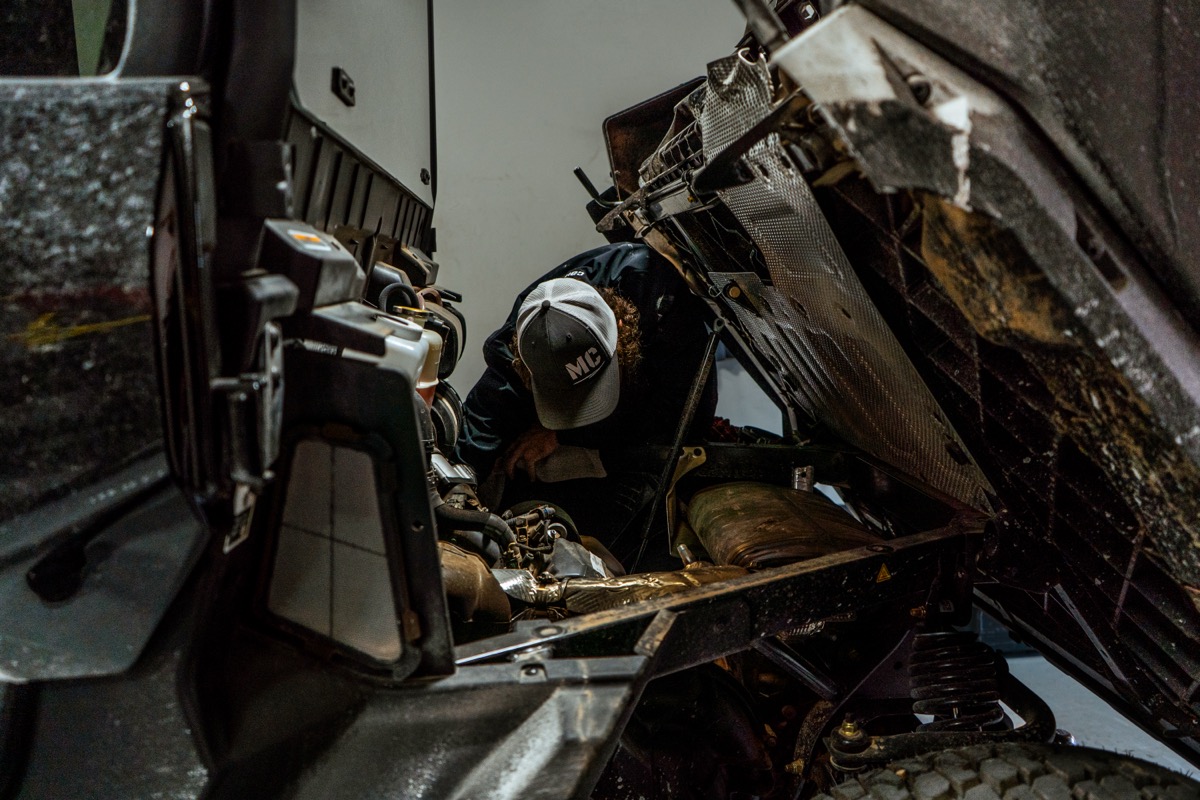
Every machine that rolls through the shop at D&P Performance tells a story. Some of those stories are short: owner kept up with service, came in for a scheduled appointment, left an hour later. Some of those stories are long, expensive, and entirely preventable.
This post is about the second kind.
The Math Nobody Wants to Do
Preventive maintenance isn't exciting. It's oil, filters, and inspections. It's the unglamorous stuff that keeps your machine running so you can do the exciting stuff.
Here's what it actually costs compared to what happens when you skip it.
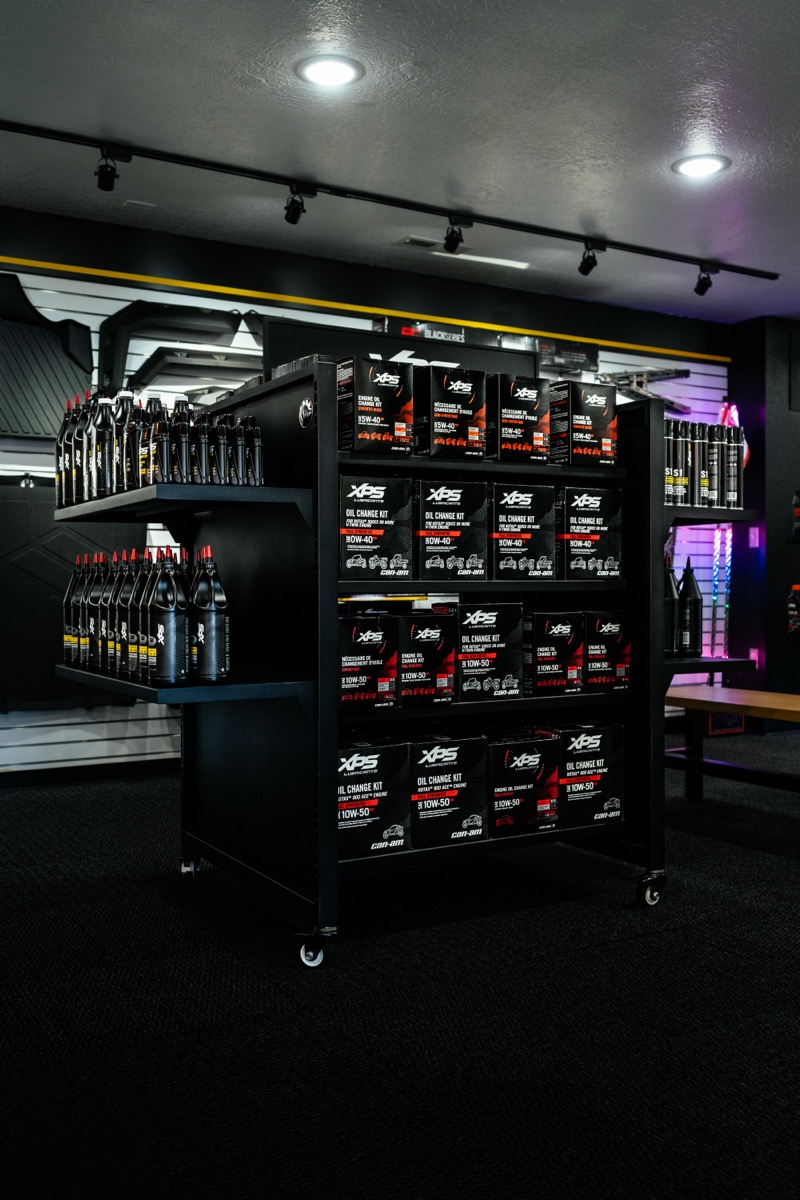
Factory XPS oil and maintenance supplies stocked at D&P Performance — the right fluids matter.
Oil and filter change: roughly $80–$120 depending on your machine. Skip it long enough and you're looking at scored cylinder walls, spun bearings, or a seized engine. An engine rebuild on a UTV runs $3,000 to $5,000 or more, depending on the damage. That's thirty to fifty oil changes worth of money, gone in one failure.
CVT belt inspection and replacement: $150–$350 for the belt and labor. Let a worn belt go until it grenades and you're not just replacing the belt anymore. Shrapnel from a blown belt tears through the clutch housing, damages the sheaves, and can score the primary and secondary clutches. Now you're into a clutch rebuild at $800–$1,500, plus the belt, plus whatever the shrapnel hit on its way out. We covered this in detail in our belt and clutch service guide.
Air filter replacement: $20–$50 for the filter. A clogged air filter in Southern Utah's dust doesn't just reduce power — it lets fine particulate past the seal and into the intake. That dust is abrasive. It scores cylinder walls, eats piston rings, and accelerates every wear surface it touches. The air filter is the cheapest insurance policy on your entire machine.
Coolant flush and fill: $80–$150. Old coolant loses its corrosion inhibitors. In our high desert heat — where machines routinely run at operating temperature for hours on slow rock crawling — degraded coolant lets corrosion eat water pump seals, radiator tubes, and head gasket surfaces. A water pump replacement runs $300–$600. A head gasket job is $1,000 or more. A cracked head from overheating? You're shopping for a new engine.
Differential and transmission fluid change: $100–$200. Gear oil breaks down under load and heat. Skip it and the gear teeth start wearing metal-on-metal. A differential rebuild runs $800–$1,500. A transmission rebuild can hit $2,000–$3,500. The fluid change takes less than an hour.
Southern Utah Makes Everything Worse
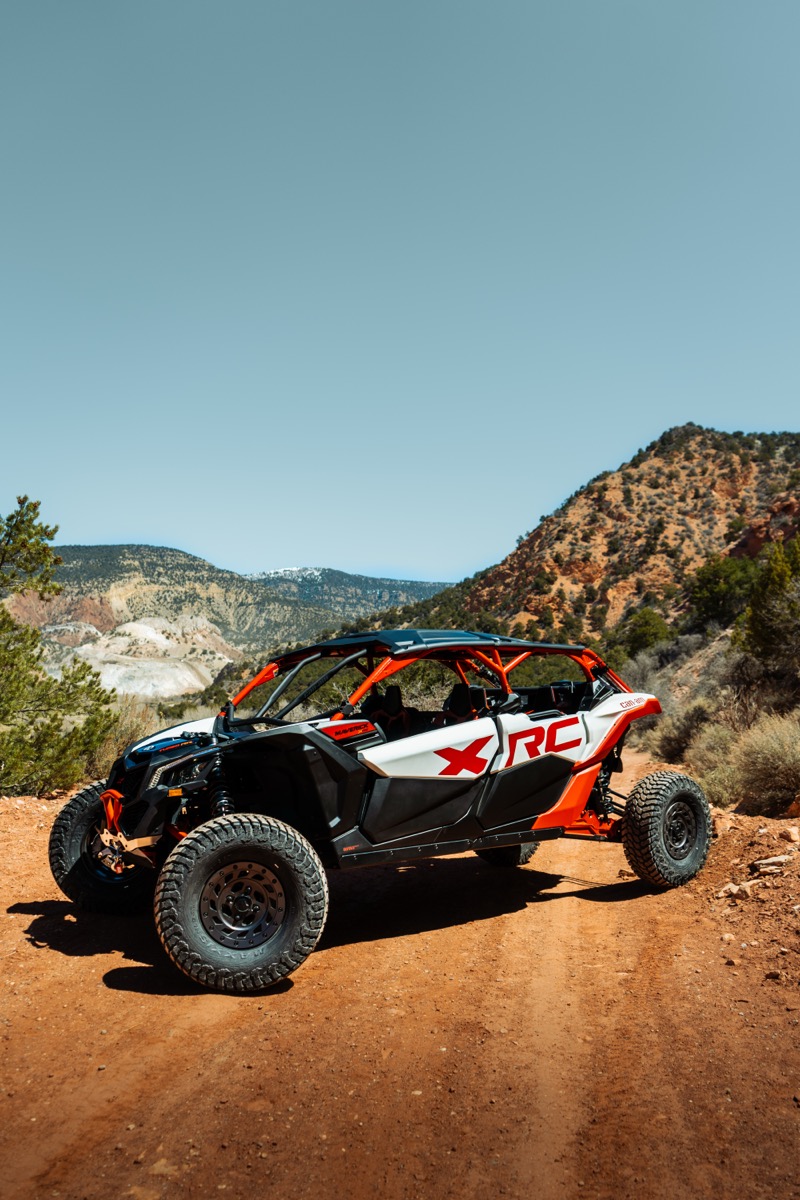
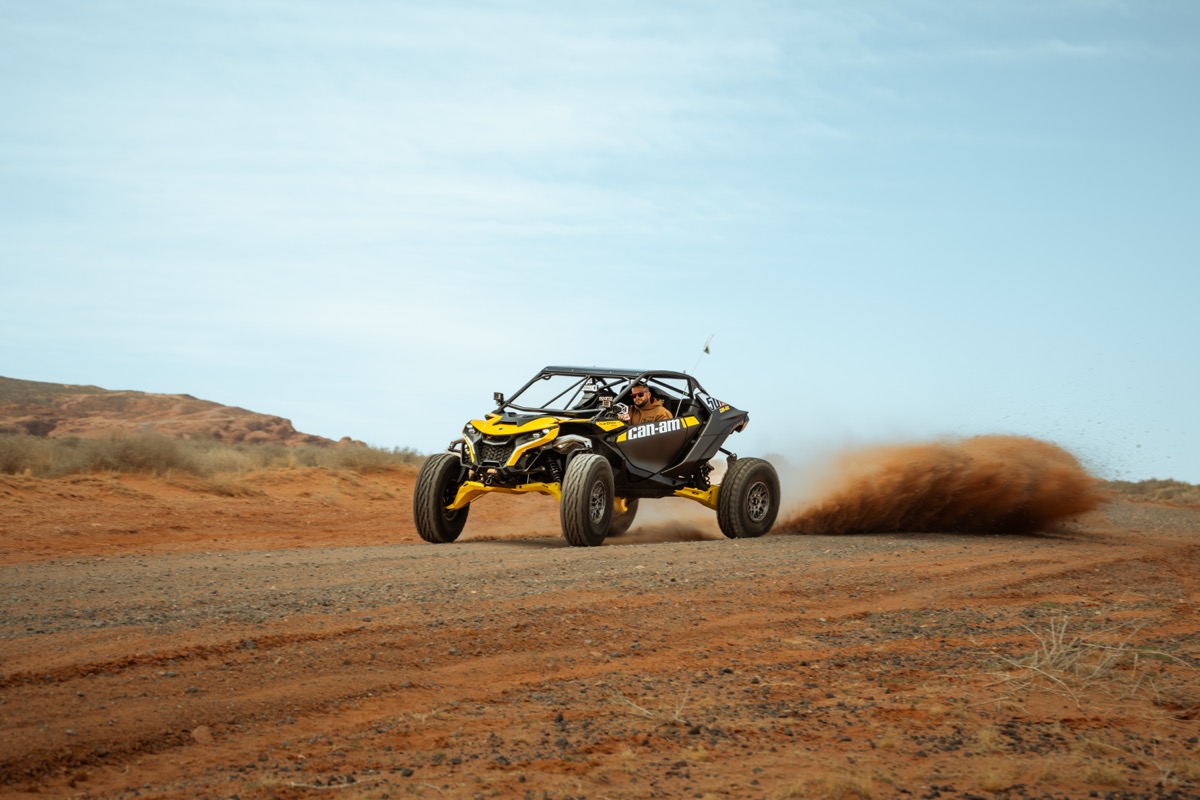
Southern Utah's red rock terrain pushes machines harder than most factory service intervals account for.
If you ride in the Pacific Northwest or the Midwest, you might get away with stretching your service intervals a bit. Southern Utah doesn't give you that margin.
The dust here is relentless. It's not just dirt — it's fine silica particulate that works its way into every seal, every intake, every CVT housing. A machine that runs clean for 100 hours in a forest runs filthy after 30 hours at Sand Hollow.
The heat compounds it. Summer trail rides mean sustained engine temperatures that push cooling systems and lubricants to their limits. At altitude — Brian Head sits at 10,000 feet — engines run leaner and hotter, and belts work harder because the air is thinner.
And the terrain doesn't help either. Rock crawling at Parowan Canyon loads the drivetrain and suspension in ways that flat-trail riding never does. Every CV joint, every bearing, every bushing takes a beating that the manufacturer's service manual didn't fully account for, because most manuals are written for average conditions — not Southern Utah conditions.
The riders who get the most life out of their machines in this environment are the ones who treat the manufacturer's recommended intervals as a starting point and adjust from there.
The "I'll Do It Next Time" Trap
This is the most common and most expensive pattern we see. A rider knows service is due. The machine still feels fine, so they push it one more ride. Then another. Then another.
The problem is that most failures don't announce themselves in advance. By the time you hear the noise, smell the burning, or feel the vibration, the damage is already done. Belts don't gradually slow down — they shred. Differentials don't gently suggest they need fluid — they seize. Engines don't politely request an oil change — they run dry and score.
Preventive maintenance catches problems before they become failures. An inspection finds the belt crack before it becomes a blowout. A fluid change flushes the metal particles before they become gear damage. A coolant check catches the low level before it becomes an overheat.
The machine that feels fine today might be one hard ride from an expensive conversation.
How Maintenance History Affects Resale Value
Here's an angle most riders don't think about until they're trying to sell or trade: maintenance history is money.
A well-documented service history on a UTV adds hundreds — sometimes over a thousand dollars — to resale value. Buyers on KSL, Facebook Marketplace, and dealer trade-ins look at service records the same way car buyers look at Carfax reports. A stack of service receipts says the machine was cared for. No records? The buyer assumes the worst, and the offer reflects it.
Every service appointment at D&P gets documented. You walk out with a record of what was done, what parts were used, and when. That's not just peace of mind for you — it's proof of value when it's time to move up to the next machine.
Matching Service to How You Ride
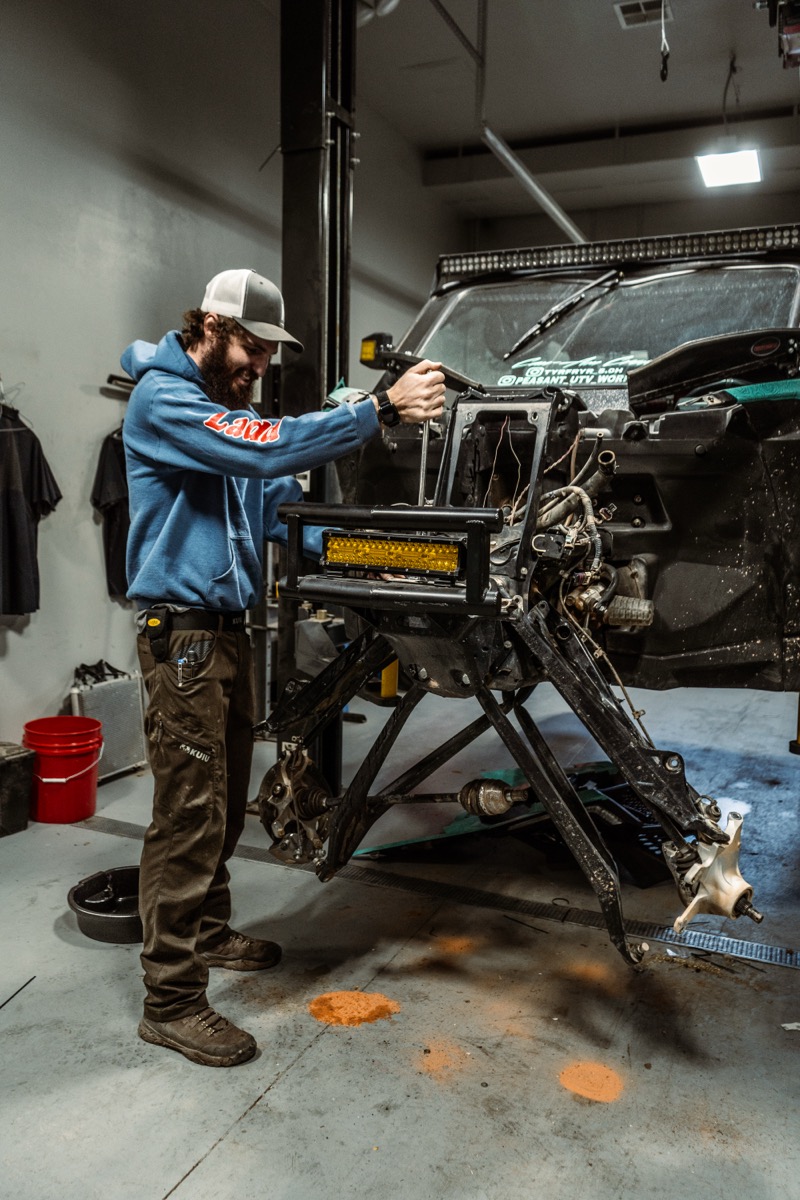
Factory-trained technicians at D&P Performance match service to how you actually ride.
Not every rider needs the same service schedule. Someone who puts 20 casual hours a year on forest roads needs less than someone who hammers Sand Hollow every weekend.
D&P offers three service tiers that scale to how you actually ride:
Basic Service covers the essentials — oil change, filter, quick visual inspection. For light-duty riders or between-season maintenance, it's fast and affordable.
Full Service adds fluid changes across the drivetrain, spark plugs, and a thorough inspection of belts, brakes, and suspension components. This is the annual service for most riders.
Full Tune & Service is the comprehensive package — everything in Full Service plus valve inspection, clutch service, alignment check, and detailed electrical and suspension inspection. This is for high-hour machines, pre-season deep service, or riders who push their equipment hard.
If you're not sure which tier fits, call us. We'll ask how you ride, how many hours you have, and what conditions you run in, and we'll recommend the right package. No upselling — just the service your machine actually needs.
The Bottom Line
A full year of preventive maintenance on most UTVs costs less than a single major repair caused by neglect. That's not a sales pitch — that's the math.
The belt you replace for $250 prevents the $1,500 clutch rebuild. The $100 oil change prevents the $4,000 engine job. The $80 coolant flush prevents the $1,200 head gasket replacement.
Every machine that comes through our shop in good shape has one thing in common: the owner didn't skip service. And every machine that comes in for a catastrophic repair has one thing in common too.
D&P Performance has been keeping Southern Utah riders on the trail since 1978. Factory-trained technicians. All brands serviced — Can-Am, Polaris, Honda, Yamaha, Kawasaki, CFMOTO, and everything else on two wheels or four. Honest pricing, no surprises, and service records that protect your investment.
Basic maintenance starts at roughly 30 minutes of labor plus fluids and a filter. A full service runs about 1.5 hours, and a comprehensive tune and service takes approximately 3 hours. Costs vary by machine and service tier, but preventive maintenance is always a fraction of what a failure repair costs.
What happens if you don't service your UTV?
Neglected machines suffer accelerated wear on belts, clutches, bearings, and seals. In Southern Utah's dust and heat, that leads to blown CVT belts, seized differentials, overheated engines, and corroded electrical connections. A single skipped oil change cycle can cascade into a full engine rebuild.
How often should you service a UTV in Southern Utah?
Most manufacturers recommend service every 50 to 100 hours of operation. Southern Utah's extreme dust, heat, and elevation typically warrant shorter intervals — especially for air filters, CVT intake cleaning, and coolant checks. If you ride hard in the sand or red rock, plan on servicing more frequently than the manual suggests.
Does D&P Performance service all UTV brands?
Yes. While D&P is a factory-authorized Can-Am, Ski-Doo, and Lynx dealer, the shop services all major powersports brands including Polaris, Honda, Yamaha, Kawasaki, CFMOTO, and more. Bought it used? Bought it from another dealer? No problem.
Tags:
UTV Maintenance
Service
Preventive Maintenance
Southern Utah
Cedar City
Can-Am Service