Pre-Ride Season Checklist: Get Your UTV Ready for Southern Utah Trails
Complete pre-season UTV checklist for Southern Utah riders. Trail-specific prep for Sand Hollow, Brian Head, and Duck Creek — plus what to DIY and what to bring to the shop.
D&P Performance
5 months ago
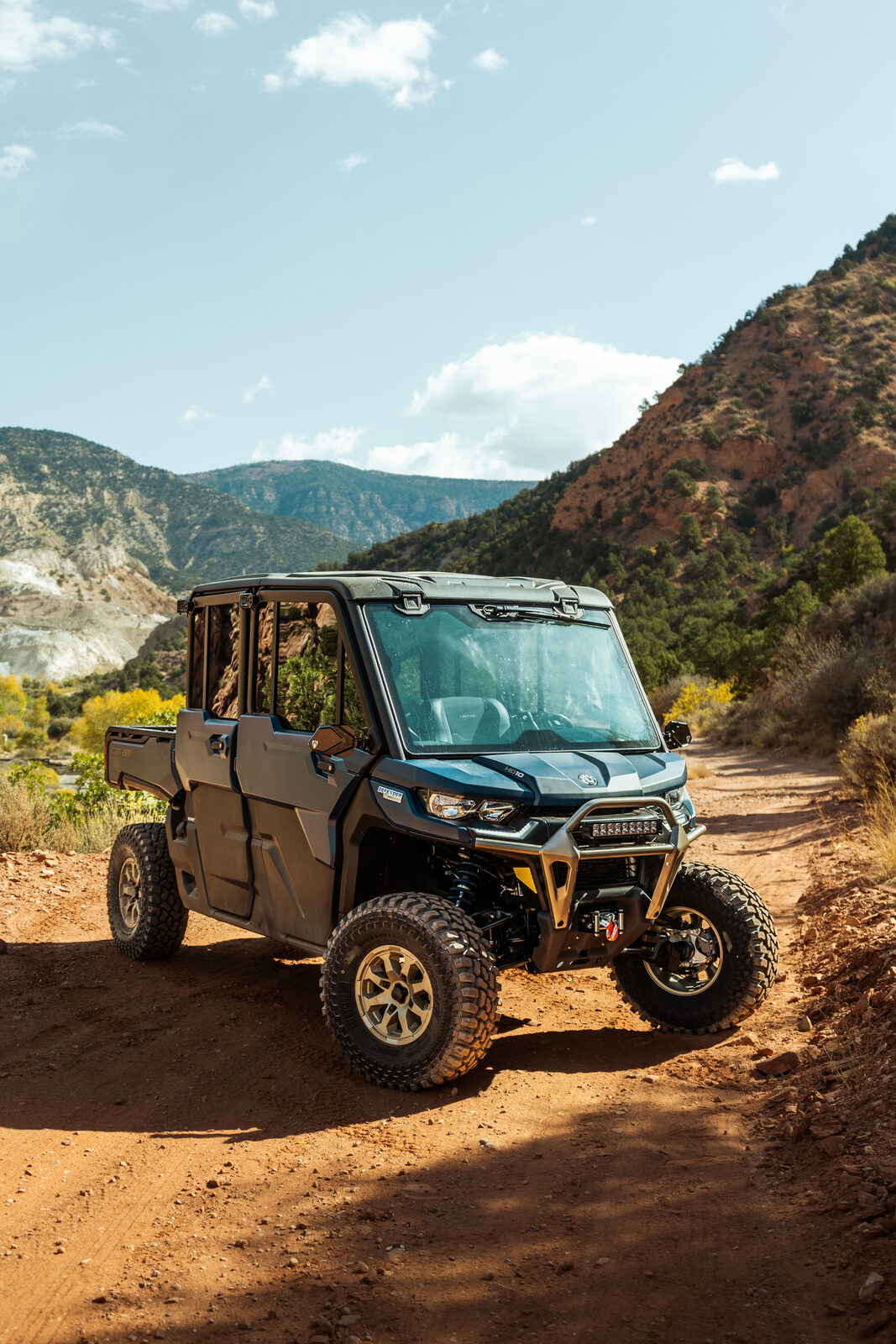
Spring in Southern Utah is a cruel tease. Seventy-degree afternoons in February make you itch to fire up the machine, but that first ride after four months in the garage is also the ride most likely to leave you stranded. Batteries are dead, fuel has gone stale, tires have lost pressure, mice have found the wiring harness, and belts have developed a flat spot from sitting on the same sheave all winter.
A pre-season checkup — done at home or in our shop — prevents almost all of that. It's the difference between a perfect opener at Sand Hollow and a $400 tow from the middle of nowhere.
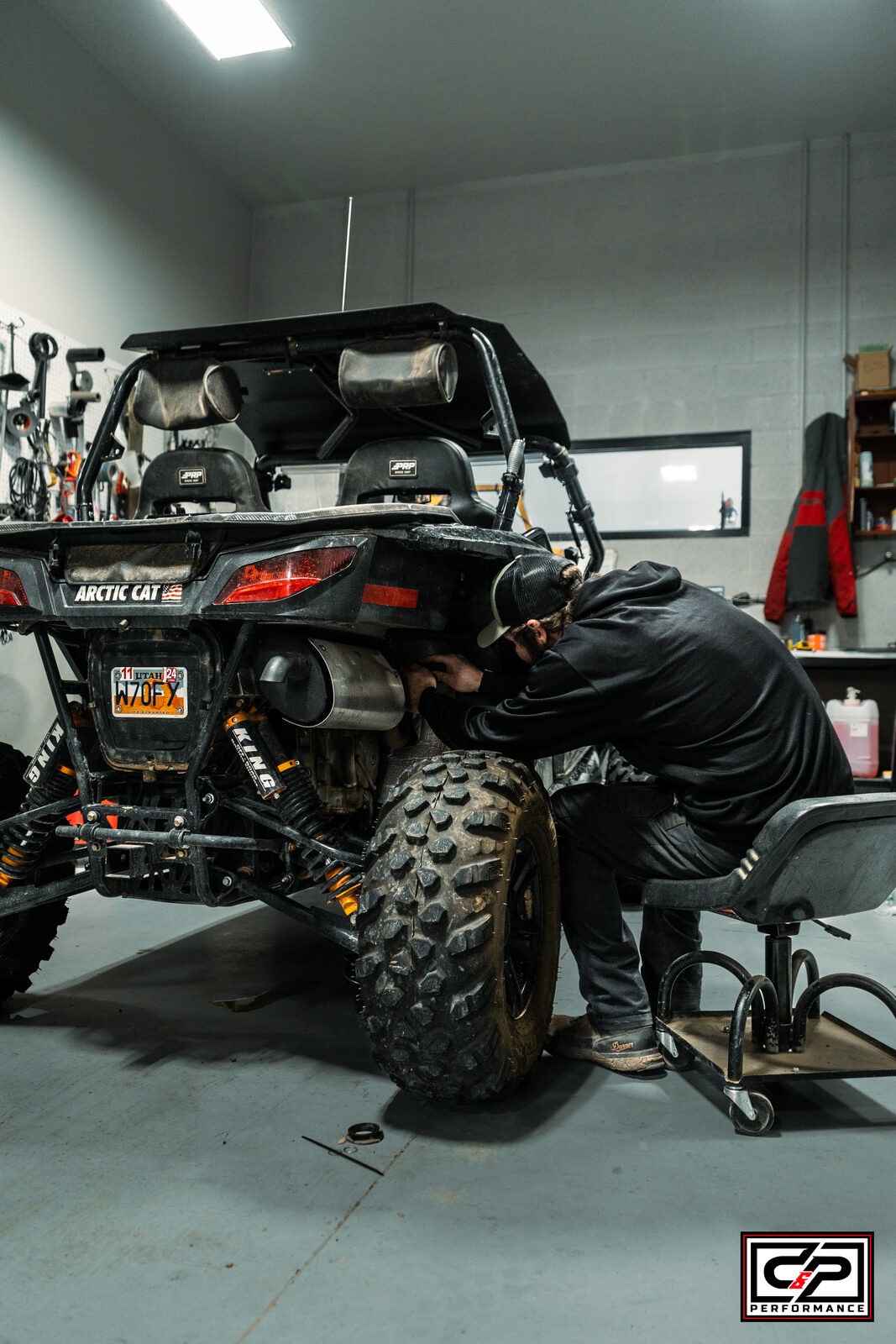
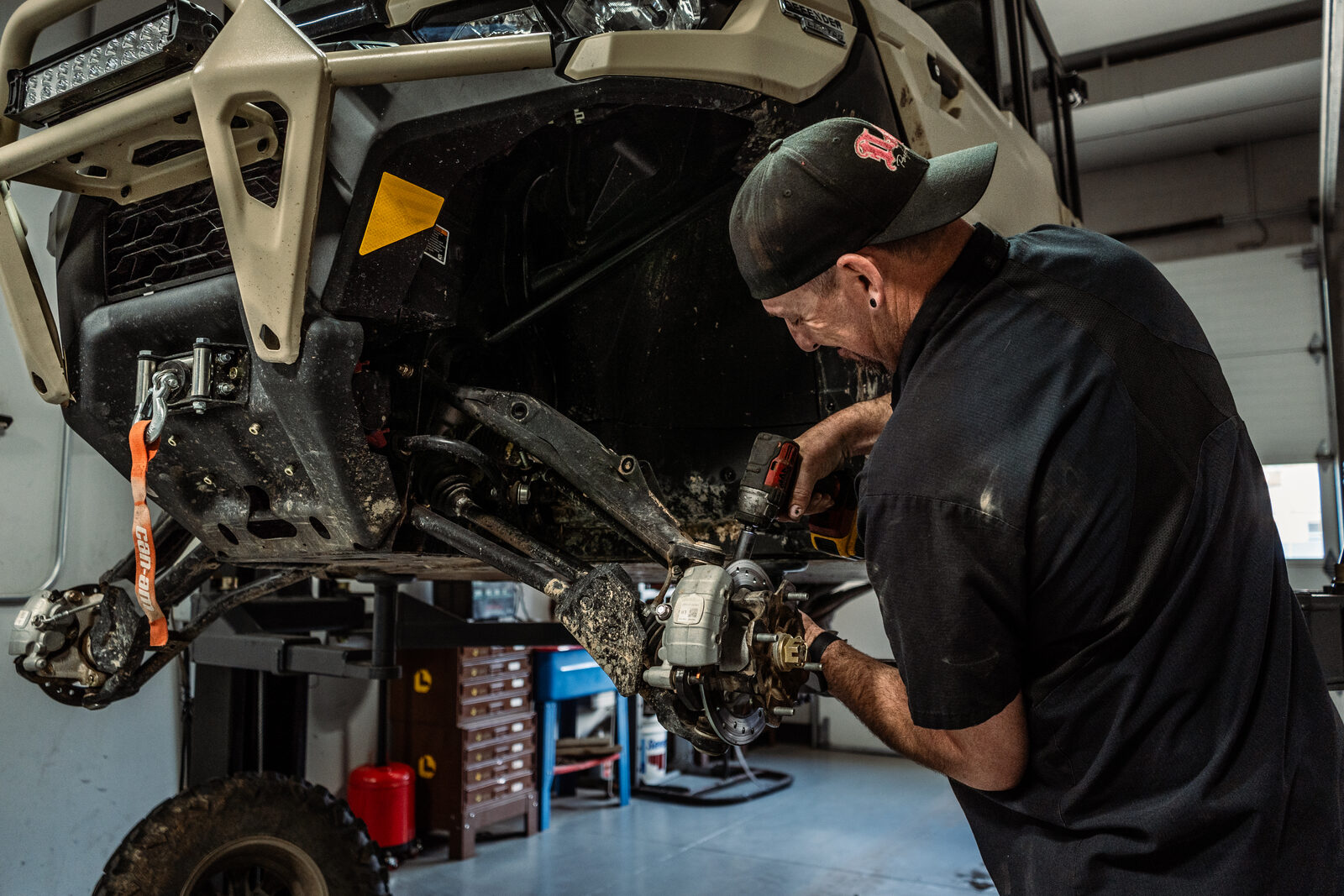
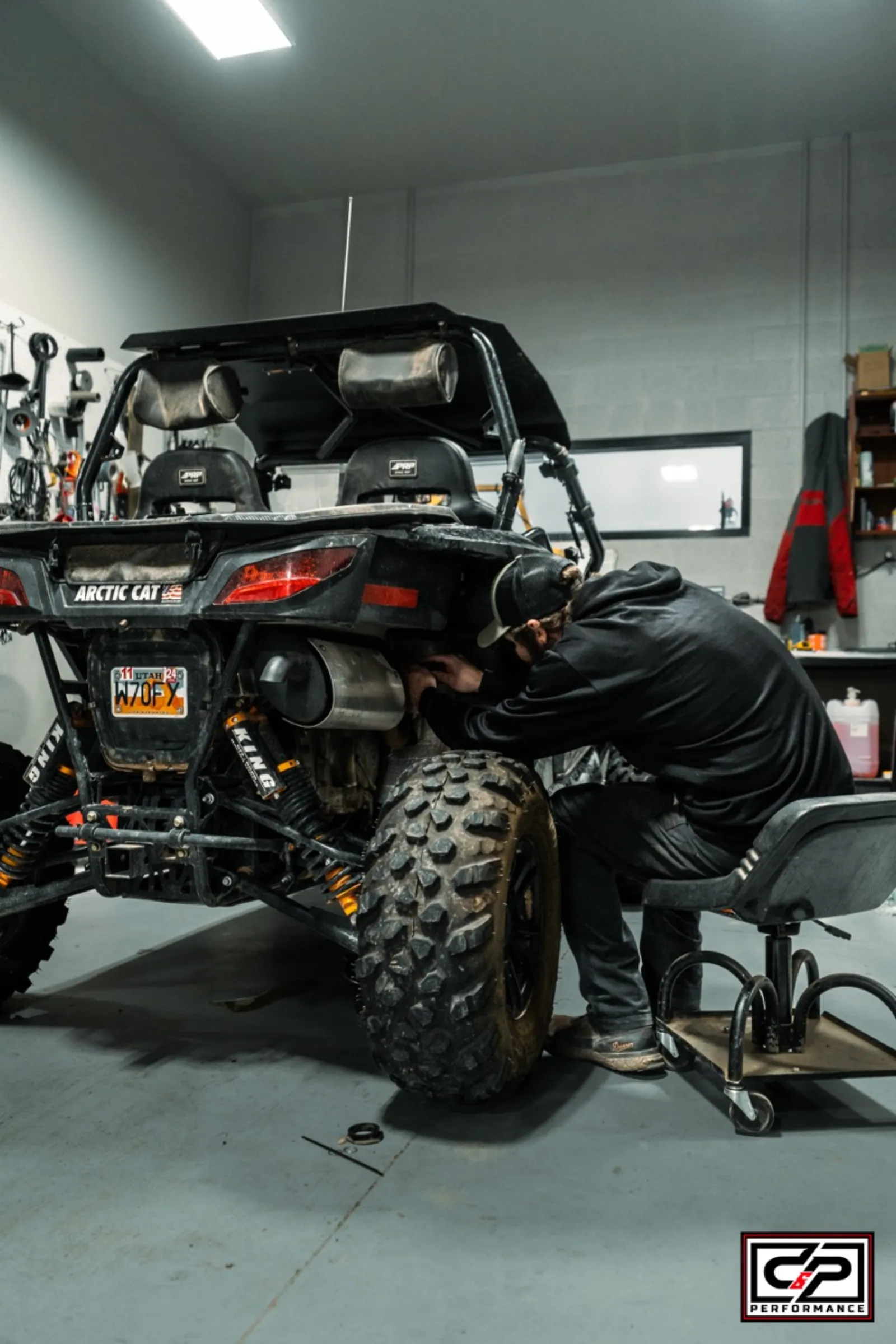
This is our complete pre-season checklist, the same one we walk through on every spring service at D&P Performance. Use it yourself, bring your UTV to us, or do what most smart riders do — handle the DIY stuff and let us handle the jobs that need lifts, tools, and torque specs.
The Complete Pre-Season Inspection Checklist
Work top to bottom. Don't skip items because "they were fine last fall" — things change in storage.
Fluids
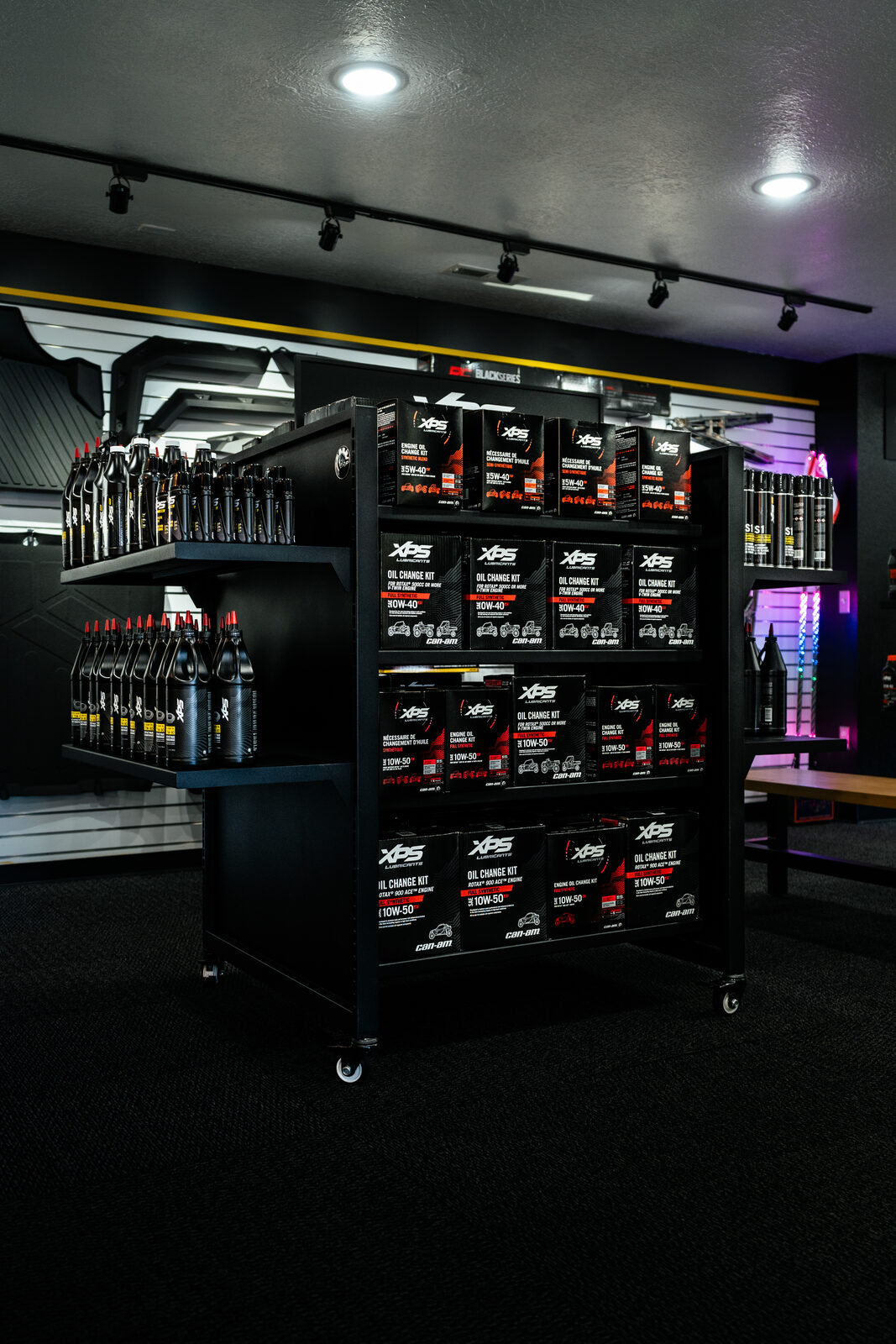
Engine oil: Drain and replace, even if hours are low. Condensation gets into oil during storage.
Oil filter: Replace every time the oil is changed.
Coolant level and condition: Check for contamination or low level.
Brake fluid: Check level, look for dark or cloudy fluid (needs flushing).
Front differential / gearcase fluid: Check for milky appearance (water intrusion).
Rear differential fluid: Same check.
Transmission fluid: Check level and condition.
Tires and Wheels
Tire pressure: Set to manufacturer spec. Tires lose pressure sitting — expect them to be low.
Tire condition: Check sidewalls for dry rot, cracking, or weather checking from UV exposure.
Tread depth: Look for uneven wear patterns that indicate alignment issues.
Lug nuts: Re-torque to spec. They loosen over time, especially with temperature swings.
Brakes
Brake pad thickness: If you can't see at least 2mm of pad material, replace before riding.
Rotors: Check for scoring, warping, or rust buildup from storage.
Brake lines: Inspect for cracks, abrasion, or leaking at fittings.
Brake function: With the machine raised, spin each wheel and confirm brakes grab evenly.
Belt and Drivetrain
Drive belt: Inspect for cracks, glazing, missing cogs, or flat spots from sitting on the sheave. See our complete belt and clutch service guide for what to look for.
Clutch sheaves: Look for scoring or debris.
CV boots: Inspect every boot for tears, cracks, or grease leaking out. A torn boot is a dead axle waiting to happen.
Axle play: Grab each axle and check for excessive movement.
Electrical
Battery: Charge fully before first start. If the battery sat without a tender, load-test it.
All lights: Headlights, taillights, brake lights, turn signals if equipped.
Winch function: Spool out and back in under load to confirm.
Wiring harness: Check for rodent damage — mice love wiring insulation over the winter.
Suspension and Steering
Shock absorbers: Look for leaking oil around seals.
Suspension bushings: Check for cracking or deterioration.
Steering play: With wheels off the ground, check for looseness in tie rods and steering rack.
Wheel bearings: Spin each wheel, listen and feel for roughness or grinding.
Alignment: Check visually — if the tires show uneven wear, get it measured.
Air and Fuel
Air filter: Pull it, inspect, clean or replace. Mice love to nest in airboxes.
Fuel: If the machine sat with untreated fuel for more than 60 days, drain and replace. Ethanol fuel goes bad fast.
Fuel lines and connections: Inspect for cracks or dry rot.
General
Chassis grease points: Hit every zerk fitting.
Frame and skid plates: Check for cracks, especially if you rode hard last season.
Seat and harness: Confirm mounting points, buckles, and adjustment mechanisms work properly.
Service light: Reset if applicable after completing maintenance.
Southern Utah-Specific Prep
Not all pre-season prep is the same. Where you ride in Southern Utah determines what matters most.
Sand Hollow
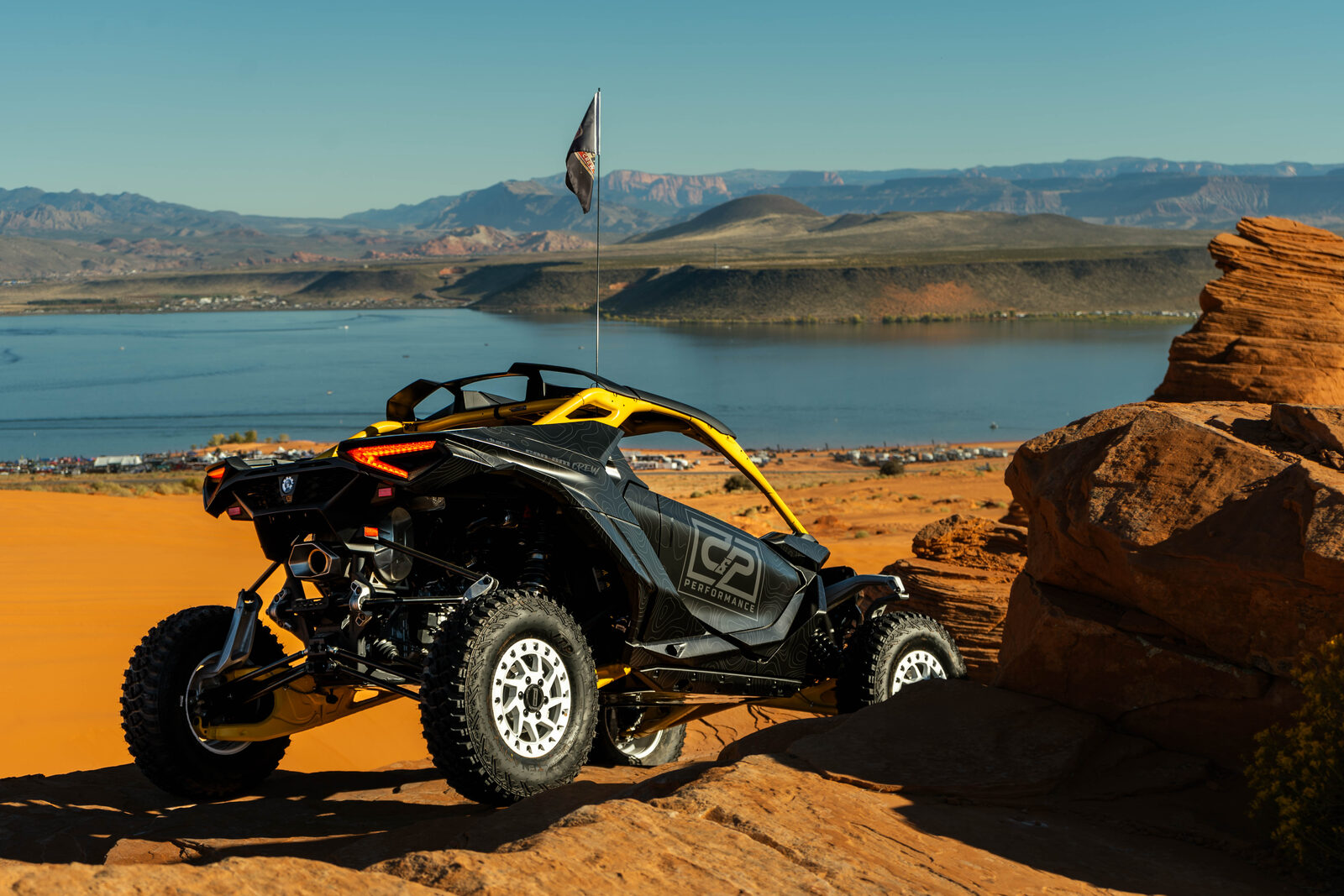
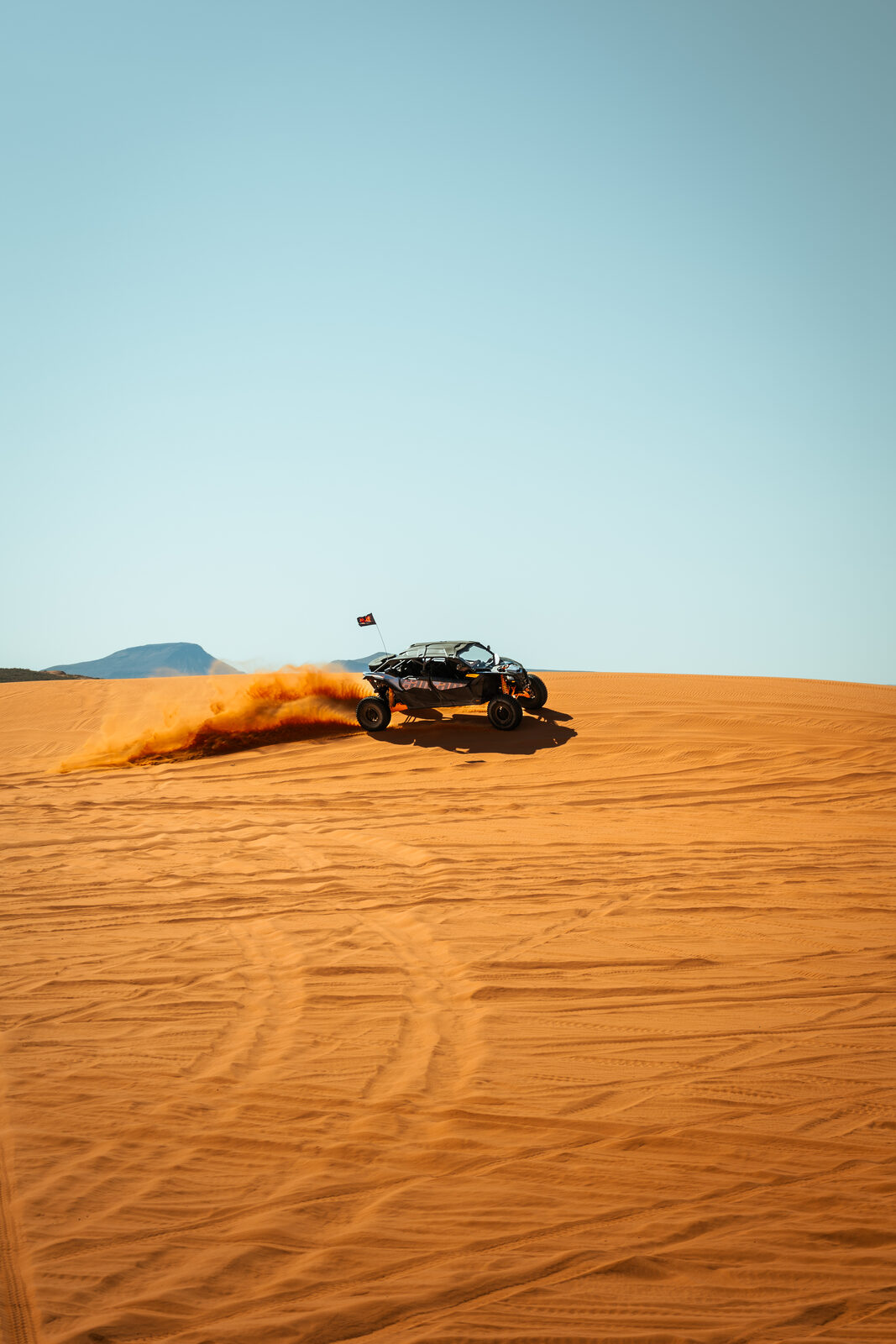
Deep sand demands low tire pressure — typically 8–12 PSI depending on your tire and machine weight. Make sure your tires can handle it without debeading. Check your air filter sealing especially well — Sand Hollow's fine red sand gets into everything. Coolant system needs to be solid because sand riding runs hot.
Parowan Canyon and the Red Hills
Rocky terrain beats up suspension and steering components faster than anything else. Check tie rods and steering components — rocks find weak steering fast. Inspect skid plates for cracks from last season's rock strikes. Tires should be aired down slightly for compliance on loose rock.
Brian Head and Cedar Breaks
High elevation, long climbs, cool temperatures even in summer. Cooling system matters most here. So does your clutching — some riders benefit from a clutch kit or weight change to optimize for altitude. If your machine has felt weak on Brian Head climbs in the past, pre-season is the right time to talk to us about a clutch tune.
Duck Creek and the Markagunt
Mixed terrain, lots of forest roads, some technical sections. This is where most Cedar City riders live. Focus on general roadworthiness — alignment, bearings, brakes, lights — because you'll be covering real distances and encountering mixed conditions all day.
DIY Items vs. What Needs a Shop
Not everything on the checklist needs a professional. Here's our honest split.
Even if the hour meter says you barely rode last year, storage itself degrades fluids. Condensation accumulates in engine oil, moisture leaches into brake fluid, and seals dry out on gearcases and differentials. General rule: if your machine sat for more than three months, treat it like it's due for service regardless of hours.
At minimum, change engine oil and filter before the first ride. Ideally, pull a sample of differential and transmission fluid to check for water or metal contamination. A full fluid service every spring is cheap insurance — and it sets you up to know exactly what your machine needs the rest of the season.
Download the Printable Checklist
Free Printable Pre-Season Checklist
Want this checklist as a one-page PDF to tape up in your garage? We've got you — download the printable version and work through it at your own pace. Or bring it with you to your next service and we'll walk through every item together.
Why a Professional Pre-Season Service Pays for Itself
A few hundred bucks for a spring service feels like a lot — until you compare it to the alternative.
We've had customers skip pre-season service because "it ran fine last fall," only to call us two weeks later from a trailhead with a blown belt, a dead battery, or a cracked CV boot that turned into a ruined differential. The weekend is gone, the trip is canceled, and the bill is now three times what a pre-season service would've cost.
A professional pre-season service catches the small stuff: the belt that has one more ride in it, the CV boot with a tiny tear, the coolant that's degraded, the brake pads sitting at 15% life. Each of those becomes a trip-ruining problem if you don't catch it in the driveway. Catching it before the season starts means your summer stays yours.
A comprehensive pre-season service at D&P Performance typically runs between $200 and $500 depending on your machine and what it needs. That covers fluid changes, belt inspection, brake check, electrical test, and a full multi-point inspection. It's significantly less than a single trailside breakdown.
Can I bring a Polaris or Honda for pre-season service?
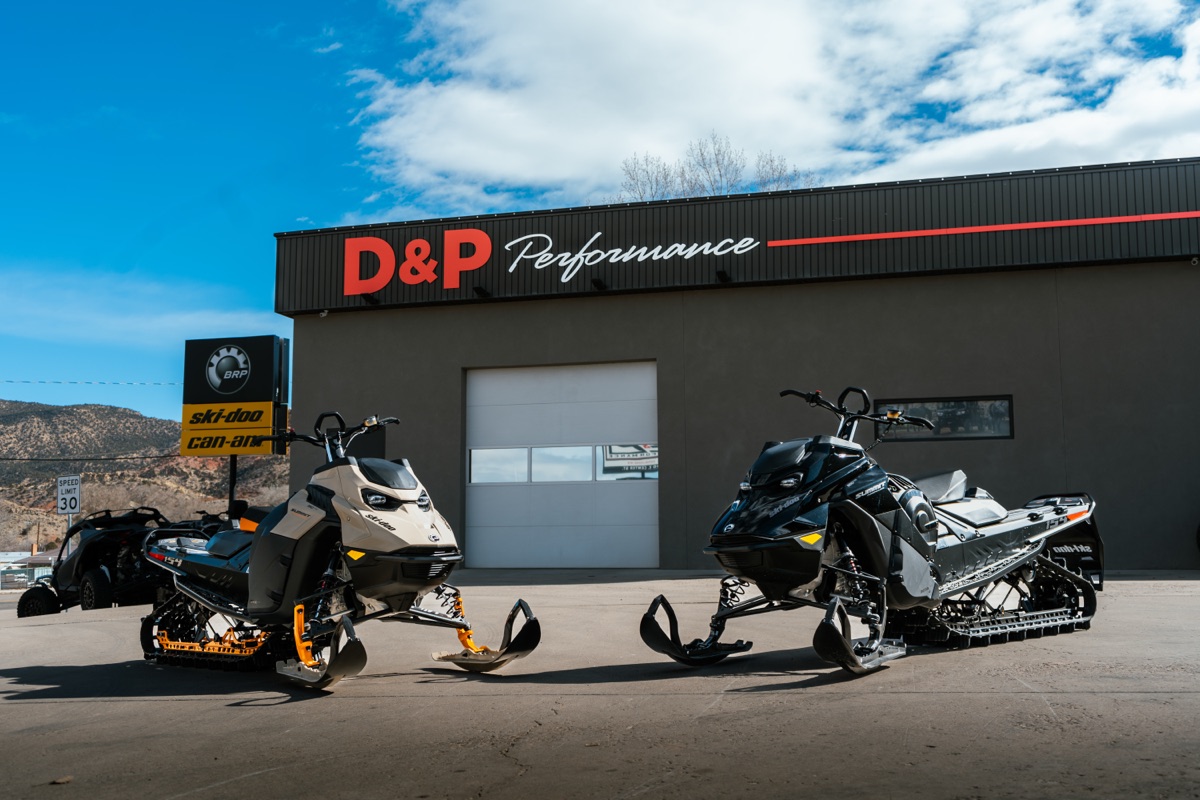
Yes. We service all makes and models — Can-Am, Polaris, Honda, Yamaha, Kawasaki, CFMOTO, Arctic Cat. We've been doing it in Cedar City for over 47 years. You don't need to own a Can-Am to use our shop.
How early should I schedule spring service?
As early as possible. We book up fast from March through May — everyone wants their machine ready for the same weekend. Scheduling in February or early March guarantees you'll be trail-ready when the weather breaks.
What if my UTV sat all winter without a battery tender?
Bring the battery in for a load test. A standard trickle charge might bring it back, but batteries that sat dead for months often won't hold a charge under load. We test every battery during pre-season service and can replace it same-day if needed.
Do I need to change the oil if I barely rode last season?
Yes. Low hours don't matter if the machine sat for months. Condensation accumulates inside the engine during temperature swings, contaminating the oil with moisture. Fresh oil before the first ride is the single most important item on the checklist.
Book Your Pre-Season Service Before the Spring Rush
Here's the part we have to say every year: we book up fast from March through May. Everyone wants their machine ready on the same weekend, and there are only so many lifts and techs. If you know you want professional pre-season service done, get it on the calendar now.
Schedule online at our service page, or call (435) 586-5172 to lock in a slot. We service all makes and models — Can-Am, Polaris, Honda, Yamaha, Kawasaki, CFMOTO, Arctic Cat — and we've been doing it in Cedar City for over 47 years.
Don't wait until the first warm weekend. By then, you'll be in line behind everyone else who waited.
Tags:
UTV
Pre-Season Checklist
Spring Service
Sand Hollow
Brian Head
Maintenance
Cedar City
Southern Utah