Before you sign — financing, registration, insurance, maintenance, gear, and the stuff nobody tells you about until the first oil change. Here's what UTV ownership actually costs in Utah.
D&P Performance
2 months ago
You've been looking at UTVs. Maybe you've priced a Maverick, compared it to a Defender, and started doing the math. But the sticker price is only the beginning of the conversation. Between financing, Utah OHV registration, insurance, maintenance, gear, and the accessories you didn't plan on buying (but will), the real number looks different from the one on the window.
We've been selling and servicing UTVs at our Cedar City dealership for 47 years. We've watched first-time buyers budget for the machine and forget everything else, and we've watched experienced owners nail the total number before they walk through the door. This guide is the honest version — every cost we can think of, laid out so you can plan for the real number before you sign.
The Machine: What a New UTV Actually Costs
The purchase price is where it starts — but it's not where the math ends.
New UTV prices range widely depending on what you need the machine to do. Here's the realistic landscape for 2026:
Entry-level utility (Can-Am Defender DPS): $12,000–$16,000. Work machine, trail capable, seats two, gets the job done without the sport suspension or turbo tax
Mid-range sport (Can-Am Commander XT): $18,000–$23,000. The crossover — enough suspension for weekend trails, enough bed space for ranch work, comfortable for two
Full sport (Can-Am Maverick X3): $24,000–$32,000. Purpose-built for performance — turbo power, long-travel suspension, built to run hard in sand, rock, or desert
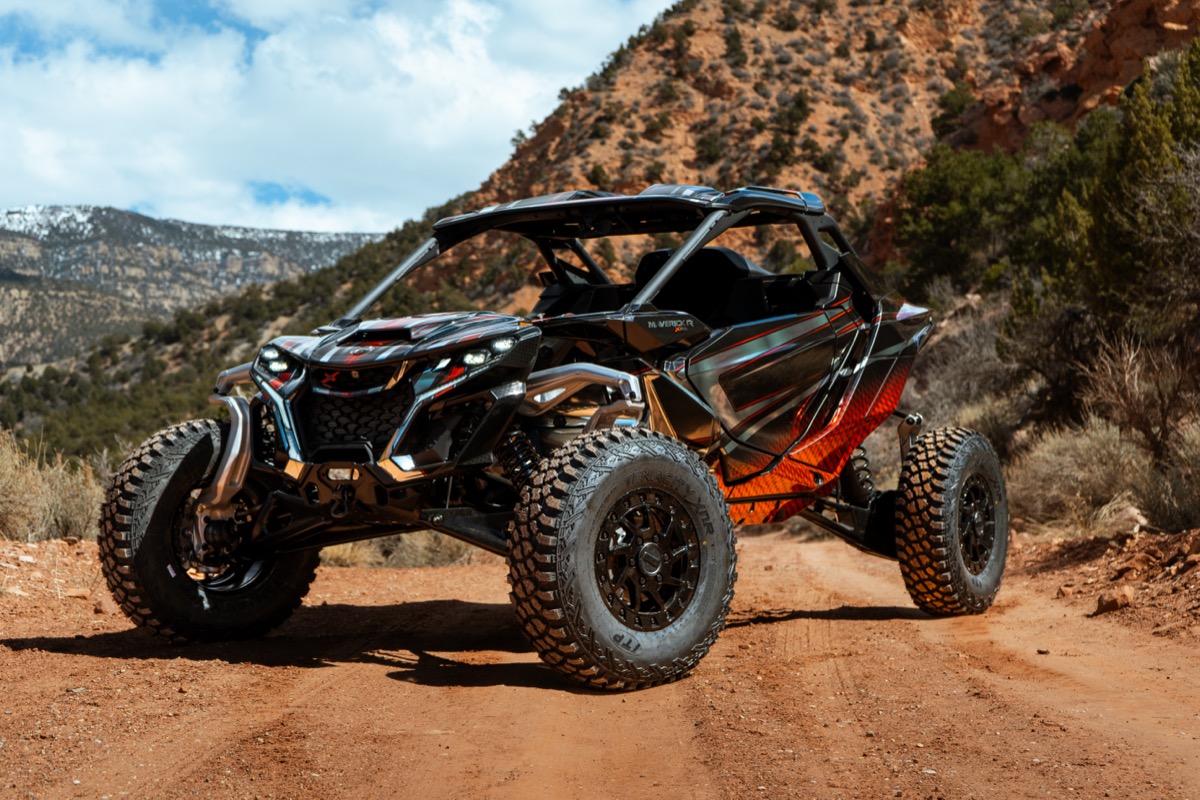
Flagship (Can-Am Maverick R): $32,000–$38,000+. Race-derived chassis, maximum suspension travel, the machine you buy when you've outgrown everything else
Most buyers land in the $18,000–$25,000 range. That's where you get a machine capable enough for Southern Utah terrain without over-buying for how you'll actually ride.
Used UTVs: What's the Discount?
A two- to three-year-old UTV with 2,000–5,000 miles typically sells for 25–40% less than new, depending on condition and model. A 2024 Maverick X3 that sold for $28,000 new might list for $18,000–$21,000 used. That's a real savings — but only if the machine was maintained. A used UTV with skipped oil changes, a worn belt, and desert dust ground into every bearing will cost you the difference in repairs within a season. We take trades from any manufacturer, and every pre-owned machine we sell goes through our shop first.
Financing: What the Monthly Payment Looks Like
Most UTV buyers finance. BRP regularly offers promotional rates for qualified buyers, and the numbers are more reasonable than people expect:
Machine Price
Down Payment
APR
Term
Monthly
$15,000
$2,000
3.99%
60 months
~$240/mo
$22,000
$3,000
3.99%
60 months
~$351/mo
$30,000
$5,000
4.99%
72 months
~$416/mo
These are estimates — your rate depends on credit, term length, and whatever promotion BRP is running when you buy. The point is that a capable trail machine often costs less per month than a truck payment. Talk to our finance team to get a real number based on your situation.
Utah OHV Registration
Every off-highway vehicle operated on public land in Utah needs an OHV registration sticker. Here's how the fees break down:
Standard OHV sticker: $30/year — covers trails, OHV areas, and designated routes on public land
Street-legal OHV registration: $87.75 + county fees — required if you want to ride on public roads where UTVs are permitted (many Utah counties and municipalities allow this)
Non-resident OHV permit: $30/year — same fee, same access, just a different form
Registration is straightforward — apply online through the Utah DMV or at a local DMV office. You'll need proof of ownership (bill of sale or title) and the VIN. The sticker goes on the machine, and you're legal on every public OHV trail in the state.
If you're planning to ride Sand Hollow, Coral Pink Sand Dunes, or the Paiute Trail, the state parks charge separate day-use or annual fees on top of OHV registration — typically $15–$20 per vehicle per visit, or $75–$100 for an annual pass.
Insurance: What You Need vs. What You Should Get
Utah law does not require insurance for OHVs used exclusively on trails and off-road areas. But "not required" and "not needed" are different conversations when you're straddling a $25,000 machine on a rock ledge.
Here's what UTV insurance typically costs:
Liability only: $100–$250/year — covers damage you cause to others or their property
Comprehensive + collision: $300–$600/year — covers theft, fire, vandalism, and crash damage to your machine
Full coverage with accessories: $400–$800/year — adds coverage for aftermarket upgrades (winches, bumpers, lighting, wheels/tires)
If your UTV is street-legal registered and you ride on public roads, liability insurance is required by Utah law. For trail-only machines, comprehensive coverage is worth the premium. We've seen machines totaled in rollovers, stolen off trailers at trailheads, and damaged by flash flooding. That's a $20,000+ loss that $400 in annual premiums would have covered.
Maintenance: The Costs That Keep Coming
Routine maintenance is the cost of keeping your machine on the trail instead of in someone's shop.
Maintenance is the ownership cost that catches people off guard — not because it's expensive, but because it's ongoing. UTVs work hard. Desert dust, sand, heat, and rough terrain accelerate wear on every moving part. Skip service intervals and you'll pay more in repairs than you ever would have spent on maintenance.
Routine Service Costs
Oil and filter change: $80–$150 per service, every 1,500–2,000 miles (or annually, whichever comes first)
Drive belt replacement: $150–$400 in parts, $100–$200 in labor. Belts last 1,000–3,000 miles depending on riding style — sand and steep terrain eat belts fastest
Air filter service: $20–$50 for the filter, five minutes of your time. After every dusty ride, check it. After every sandy ride, replace it
Brake pads: $40–$80 per axle, every 2,000–4,000 miles. Rock crawling wears brakes faster than trail riding
Coolant flush: $80–$120, every two years or 3,000 miles. Critical for desert riding — overheating kills engines
Differential and transmission fluid: $100–$200, every 2,000–3,000 miles. Often overlooked, rarely cheap to fix when it fails
Annual maintenance budget for a moderate rider (1,500–3,000 miles/year): $500–$1,200. Heavy riders or sand/rock specialists should budget closer to $1,500.
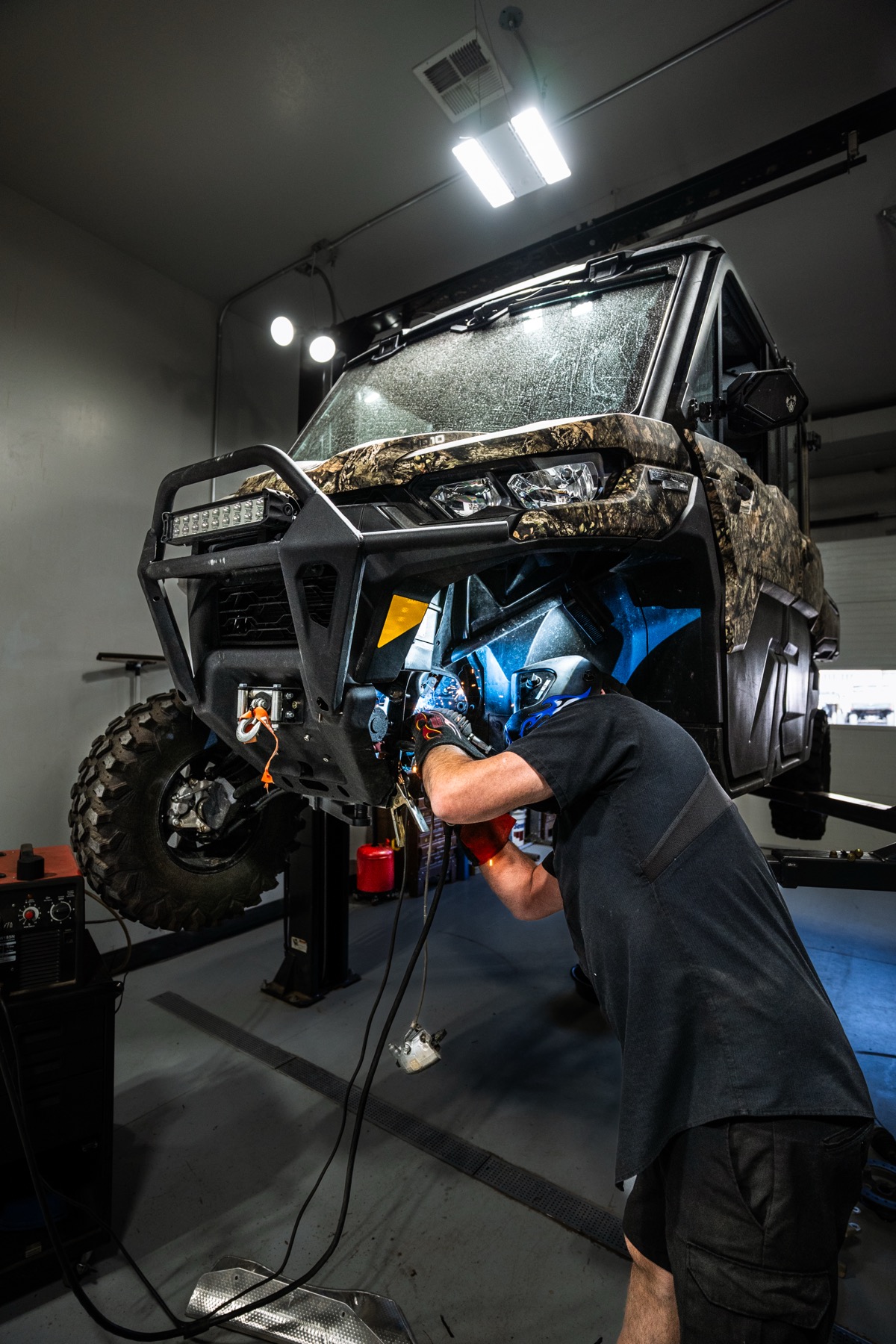
Our service department handles everything on this list with factory-trained technicians and OEM parts. The advantage of buying local — you're not shipping the machine or waiting weeks for a dealership appointment three hours away.
Tires, Belts, and Consumables
Beyond scheduled maintenance, certain parts wear out based on terrain and riding style:
Tires: $400–$1,200 for a full set, lasting 2,000–5,000 miles. All-terrain tires for Sand Hollow rock crawling wear differently than paddle tires for dune riding — many riders keep two sets
CVT belt: $150–$350 per belt. Carry a spare on every ride. If you ride hard in sand or steep terrain, you'll go through one to three per season
Wheel bearings: $50–$100 per corner, typically every 3,000–5,000 miles in dusty conditions
Windshield: $100–$300. Rock chips and trail debris take a toll — budget for a replacement every couple of seasons if you ride tight trails
Gear: The Stuff You Need Before You Ride
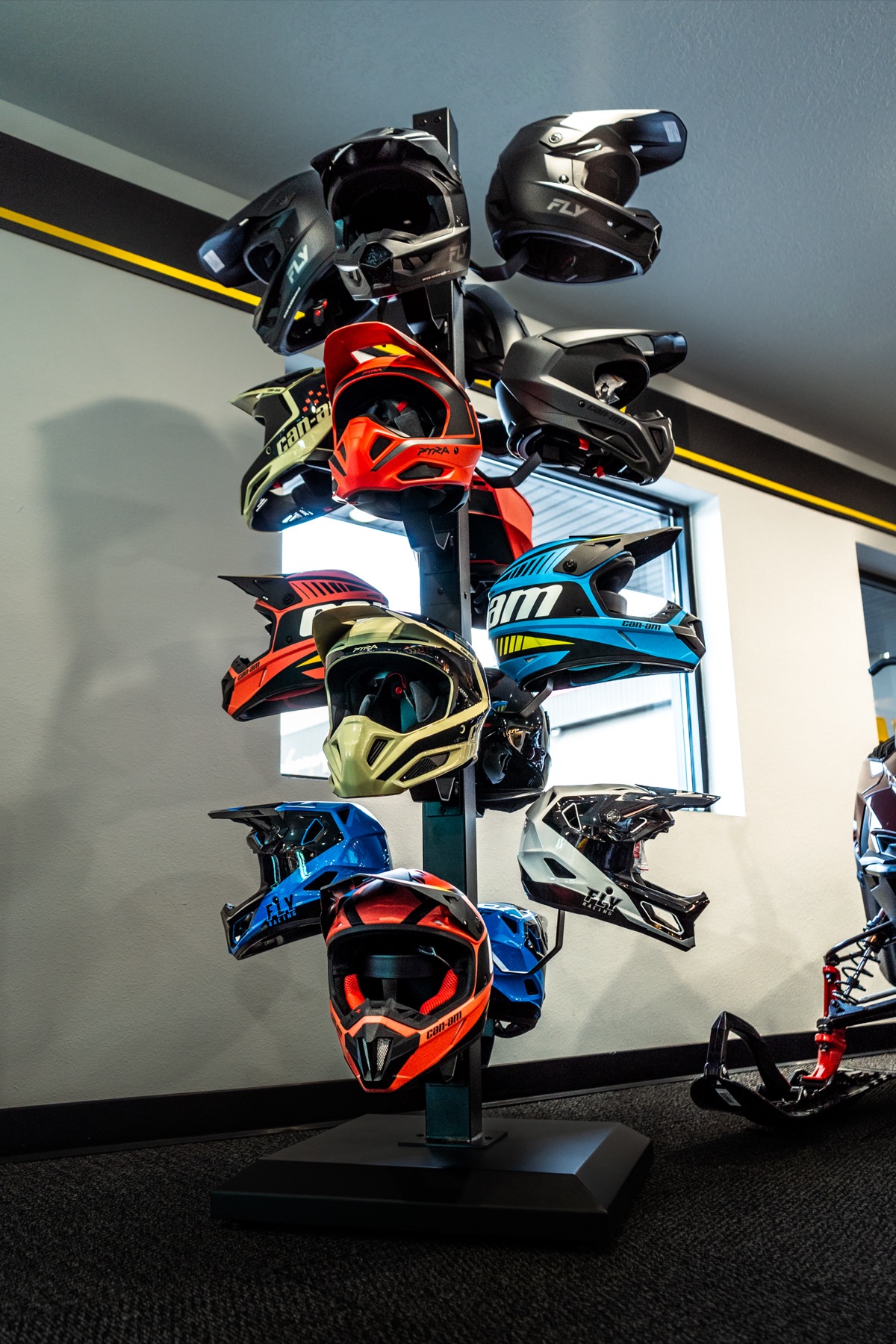
Helmets aren't optional — Utah requires them for all OHV operators and passengers under 18, and every smart rider wears one regardless of age.
Utah requires helmets for all OHV operators and passengers under 18. Over 18, it's your call — but we've seen enough incidents to recommend one for everyone, every ride.
Helmet (DOT-approved): $80–$400. A good full-face UTV helmet with a visor runs $150–$250
Goggles or face shield: $30–$80. Dust, rocks, and bugs are constant on desert trails
Harness/restraints (aftermarket): $200–$600 per seat. Factory seatbelts work, but 4- or 5-point harnesses are standard for serious riders
Gloves: $20–$50. Your hands will thank you after four hours on rough terrain
Communication system: $100–$300. Rugged radios or Bluetooth intercoms for riding with a group
First-time gear budget for one rider: $300–$800. For two riders (most UTVs seat at least two), double the personal gear.
The Trailer Question
Unless you live trailside, you need a way to get the machine to the riding area. A UTV won't fit in a truck bed (with rare exceptions), so you're looking at a trailer.
Single-axle open trailer (new): $2,000–$4,000. Hauls one UTV, basic steel construction
Tandem-axle open trailer (new): $3,500–$6,000. Hauls one or two machines, better stability at highway speed
Enclosed trailer (new): $6,000–$15,000+. Protects the machine from weather and theft, doubles as gear storage
Used trailers: 30–50% less than new. Check the floor, axles, and wiring before buying
If your tow vehicle doesn't have a hitch, add $200–$500 for installation and a wiring harness. Most half-ton trucks handle a UTV and trailer without issue — check your tow rating before you buy.
Accessories: The Costs You Don't Plan For
Nobody buys a bone-stock UTV and leaves it that way. Within the first season, most owners add at least a few of these:
Roof / windshield / doors: $200–$1,500. Cedar City sun and winter wind make a cab enclosure worth every dollar
Winch: $300–$600 installed. Recovery insurance for rock crawling and mud
Light bar: $100–$400. Essential for early morning or evening rides
Skid plates and rock sliders: $200–$600. Non-negotiable for Sand Hollow or any slickrock terrain
First-year accessory budget (realistic): $500–$2,000. Some riders spend more on accessories than their down payment. No judgment — we stock the parts and do the installs.
The Total Picture: Year One vs. Ongoing
Here's what UTV ownership actually looks like when you add it all up:
Cost Category
Year One
Ongoing (Annual)
Machine (or annual payments)
$12,000–$38,000 (or ~$240–$416/mo financed)
$2,880–$4,992 (payments)
OHV registration
$30–$88
$30–$88
Insurance
$200–$800
$200–$800
Maintenance
$300–$800
$500–$1,500
Tires & consumables
$0 (new machine)
$200–$600
Gear (per rider)
$300–$800
$50–$200 (replacements)
Trailer
$2,000–$6,000
$0–$100 (maintenance)
Accessories
$500–$2,000
$0–$500
Fuel
$200–$500
$200–$500
Total (financed buyer)
$6,500–$11,500 + payments
$4,100–$8,700
The year-one number looks big because it includes one-time costs — trailer, gear, accessories. After that, ongoing ownership runs $4,000–$9,000 per year including payments, or $1,200–$3,700 per year if you own the machine outright. Per ride, that's often less than renting — and you're building equity in a machine you can sell when you're ready to upgrade.
Where You Buy Matters More Than You Think
Total cost of ownership isn't just about the machine price. It's about what happens after you drive it off the lot.
Buying from a dealer 200 miles away might save $500 on the sticker, but it adds cost every time you need warranty work, a belt replacement, or a pre-season service. You're either driving three hours each way or paying someone unauthorized to touch a machine still under warranty. Over five years of ownership, the convenience of a local dealer saves more than any discount you negotiated at signing.
At D&P Performance, we're 15 minutes from Brian Head trailheads and an hour from Sand Hollow. We stock belts, filters, tires, and common wear parts. When something breaks on a Friday afternoon before a Saturday ride, we're the shop that answers the phone and gets you back on the trail.
That's not a pitch — it's math. A local dealer with a service department and parts inventory reduces your total cost of ownership in ways that don't show up on a spreadsheet but show up every time something goes wrong.
Ready to Run the Numbers?
D&P Performance has been helping Utah riders buy, finance, and maintain UTVs since 1978. We'll walk you through the real costs for the specific machine you're considering — no surprises after you sign.
New UTVs range from roughly $12,000 for a basic utility model like the Can-Am Defender DPS to $35,000+ for a fully loaded sport machine like the Can-Am Maverick X3 X RS Turbo RR. The sweet spot for most buyers is $18,000–$25,000, which gets a capable mid-range sport or utility UTV with factory features that cover most riding needs.
How much does it cost to register an OHV in Utah?
Utah OHV registration costs $30 for a standard sticker valid for one year. If you want to ride on public roads where allowed, a street-legal OHV registration is $87.75 plus applicable county fees. Registration is required for all off-highway vehicles operated on public land in Utah — you can apply online through the Utah DMV.
What does UTV maintenance cost per year?
Plan on $500–$1,200 per year for routine maintenance, depending on how hard and how often you ride. That covers oil changes every 1,500–2,000 miles, one to two belt replacements, air filter service, and annual fluid checks. Hard desert riding or deep sand increases these costs — heat and dust accelerate wear on everything. Our service department can help you build a maintenance schedule that fits your riding style.
Do I need insurance for a UTV in Utah?
Utah does not require liability insurance for OHVs used exclusively on trails and off-road areas. However, if your UTV is street-legal registered and operated on public roads, liability insurance is required by law. Even for trail-only machines, comprehensive coverage ($300–$600/year) is strongly recommended — a rollover, theft, or flood can total a machine worth $20,000 or more.
Is financing a UTV worth it?
For most buyers, yes. BRP manufacturer financing often runs promotional rates as low as 0.99%–3.99% APR for qualified buyers. A $22,000 UTV at 3.99% over 60 months is roughly $400/month — less than many truck payments. Talk to our finance team at D&P Performance to get current rates and a real monthly number based on your credit and down payment.
Tags:
UTV Cost
UTV Ownership
Utah OHV
UTV Financing
Side by Side
Can-Am
Cedar City
Maintenance
Buyer Guide
Southern Utah