Best UTV Trails in Southern Utah (and What You Need to Ride Them)
Southern Utah has some of the best UTV riding in the country — from the red sand dunes of Coral Pink to the alpine switchbacks above Brian Head. Here are the must-ride trails, what terrain to expect, and how to set up your machine for each one.
D&P Performance
3 months ago
Southern Utah doesn't have one type of riding. It has all of them. Sand dunes that stretch to the horizon. Red rock canyons with ledges that test every inch of your suspension travel. Alpine switchbacks through pine and aspen at 10,000 feet. And a 2,000-mile trail system that connects most of it together.
If you're searching for the best UTV trails in Southern Utah, you're not short on options — you're short on weekends. This guide covers the must-ride destinations, what terrain each one throws at you, and how to set up your machine so you're not learning lessons the expensive way.
Location: Hurricane, UT (55 miles south of Cedar City) Terrain: Open sand dunes, slickrock, desert trails Difficulty: Beginner to intermediate Best for: Sand riding, open desert cruising, families, groups
Sand Hollow is where most Southern Utah riders start — and where a lot of them keep coming back. The sand area covers thousands of acres of rolling dunes, hardpack flats, and enough open terrain that you can ride all day without doubling back on your own tracks.
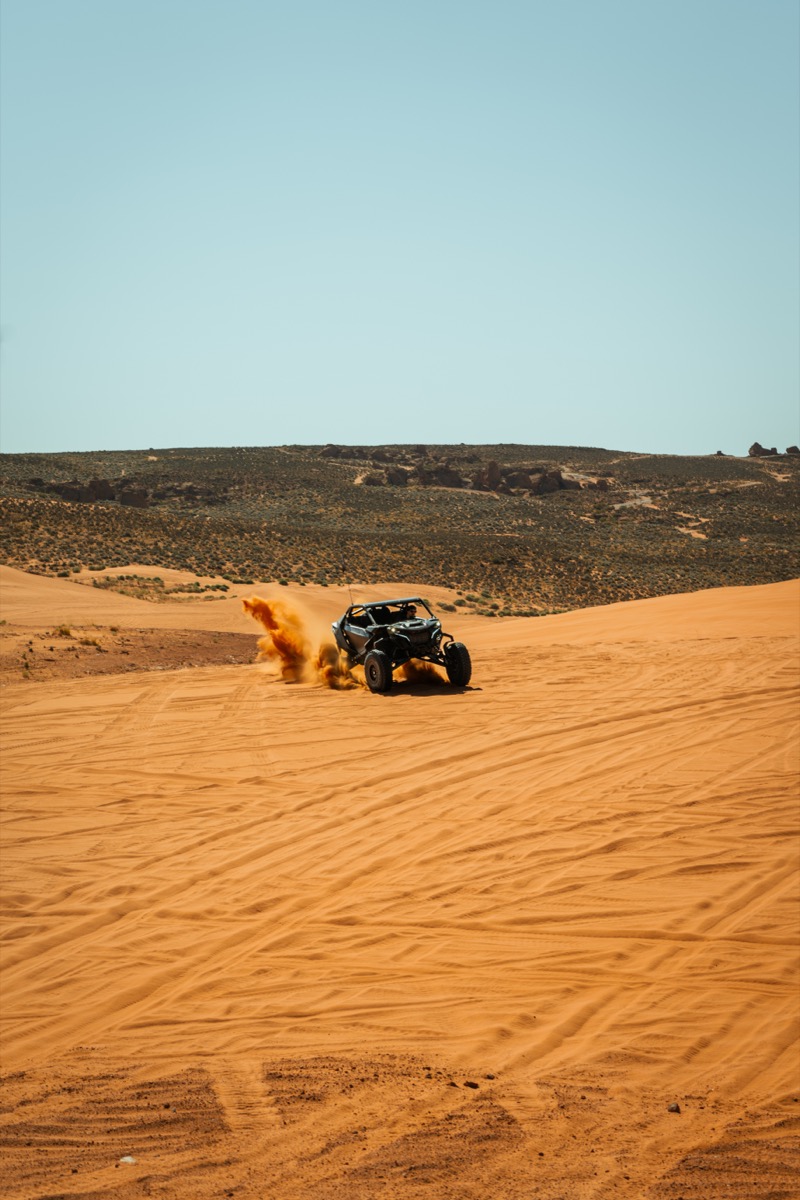
The dunes range from gentle rollers that a stock Defender handles without breaking a sweat to steep-face bowls that'll test a built Maverick X3. That range is what makes Sand Hollow work for everyone. Beginners build confidence on the flats. Experienced riders chase the big faces. And the groups that show up with eight machines and three skill levels can all ride the same area without anyone getting bored or scared.
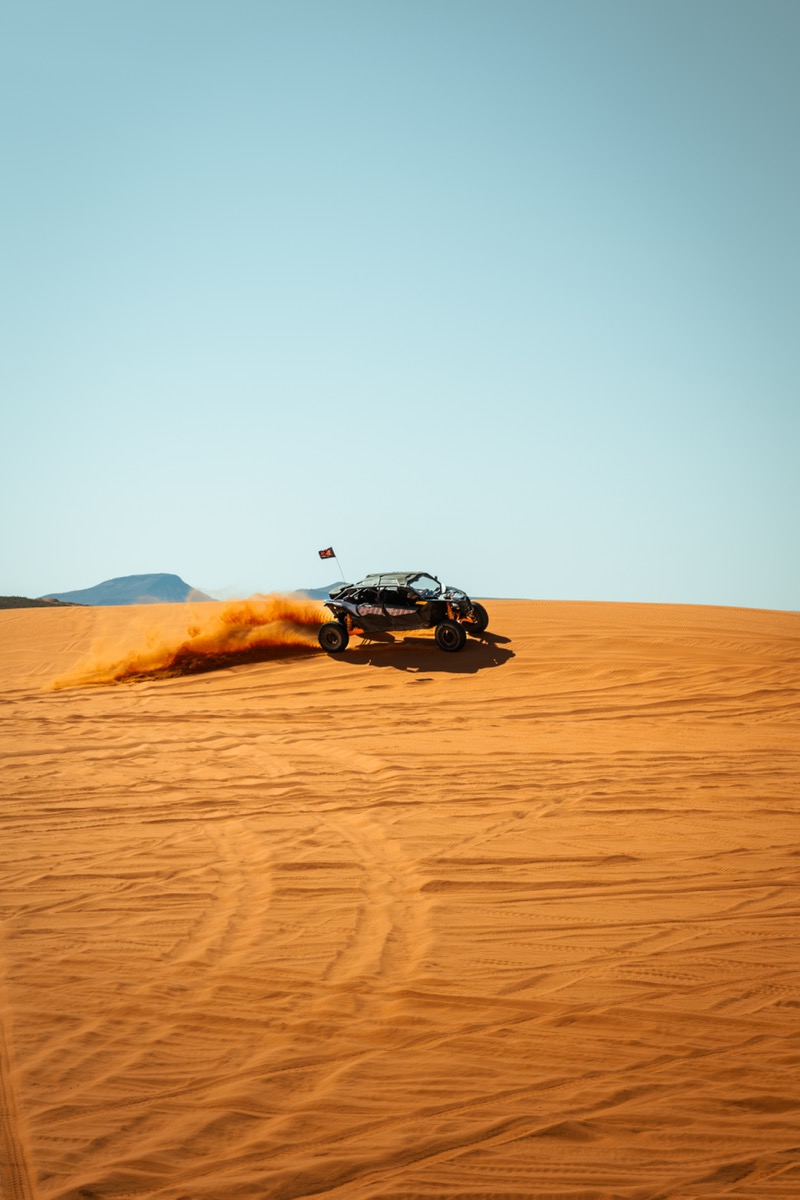
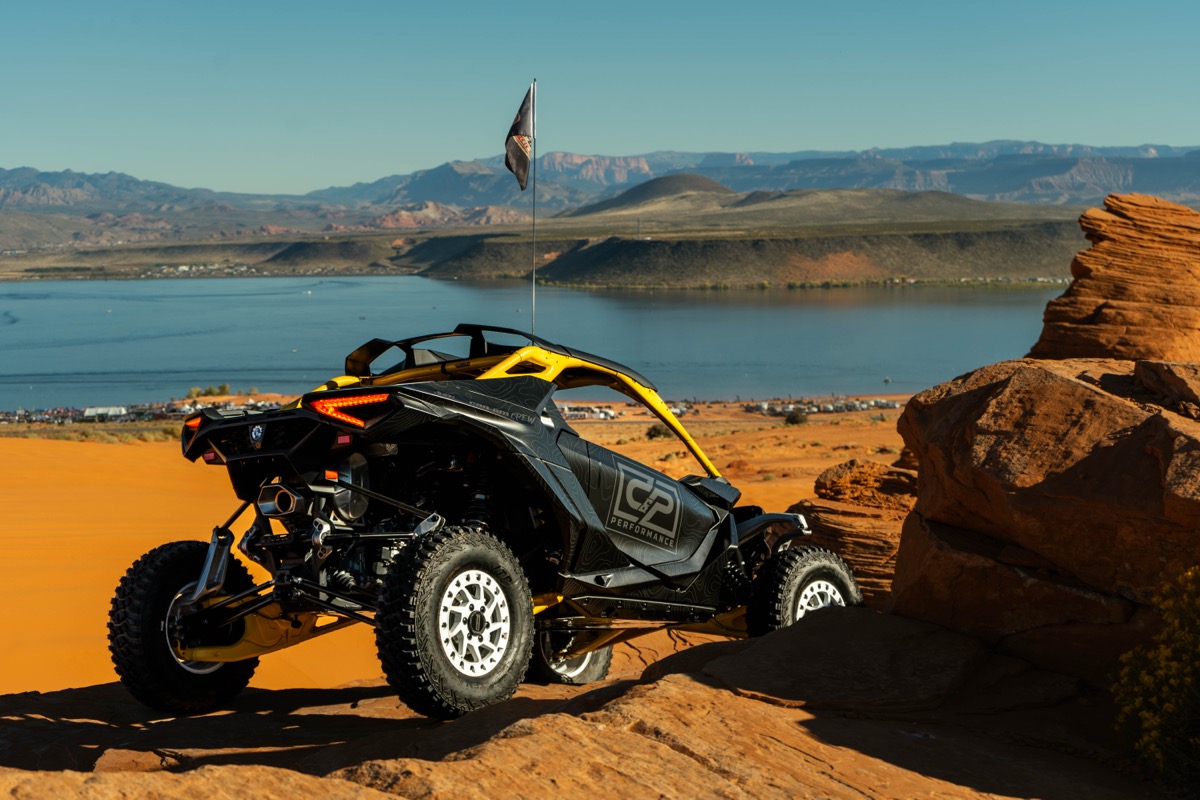
Southern Utah's sand dunes are what the Maverick X3 was built for — wide open, no speed limits, and sand that rewards commitment.
What to know before you go: Sand Hollow is a Utah State Park, so you'll need a day-use pass ($20) or an annual pass on top of your OHV registration. The sand gets soft in the heat of the day — mornings and late afternoons give you the best traction. Air down your tires to 8–12 PSI for sand riding. And bring more water than you think you need. The desert doesn't negotiate.
Machine setup: For pure sand riding, paddle tires make a dramatic difference — you'll float over dunes that buried you on stock rubber. If you're mixing sand and hardpack, a good all-terrain tire aired down works fine. Make sure your air filter is clean and your intake is sealed. Sand is the fastest way to kill an engine that's breathing dirty air.
Coral Pink Sand Dunes State Park — Utah's Hidden Sand Box
Location: Kanab, UT (85 miles south of Cedar City) Terrain: Coral-colored sand dunes, open play areas Difficulty: Beginner to advanced Best for: Sand riding, photography, weekend camping trips
Coral Pink doesn't get the national attention that Glamis or the Imperial Dunes get, and honestly, that's part of the appeal. The dunes here are smaller than what you'll find in Nevada or California, but the sand is deeper, the color is unreal, and the crowds are a fraction of what those bigger areas draw.
The OHV riding area sits on the south end of the park. You'll find everything from wide-open bowls to knife-edge ridgelines that drop off both sides. The sand is finer and softer than Sand Hollow, which means momentum matters more — if you stop on a steep face, you're digging out, not reversing.
What to know before you go: Coral Pink is also a state park ($15 day-use fee). The campground books out fast on summer weekends — reserve early if you're planning an overnight trip. The park borders the Moquith Mountain Wilderness, so stick to the designated OHV area. Winds can kick up in the afternoon and reduce visibility on the dunes. Ride with a buddy and keep your whip flag high.
Machine setup: Same as Sand Hollow — paddle tires are king here. The softer sand means even more tire pressure reduction. Some riders run 6–8 PSI in the deep stuff. A pre-filter or foam intake wrap is worth the $30 investment — the fine coral sand finds its way into everything.
Brian Head & Cedar Mountain — Alpine Riding at 10,000 Feet
Location: Brian Head, UT (30 miles east of Cedar City) Terrain: Mountain switchbacks, alpine meadows, forest trails, rock ledges Difficulty: Intermediate to advanced Best for: Mountain riding, scenic runs, cooler summer temperatures
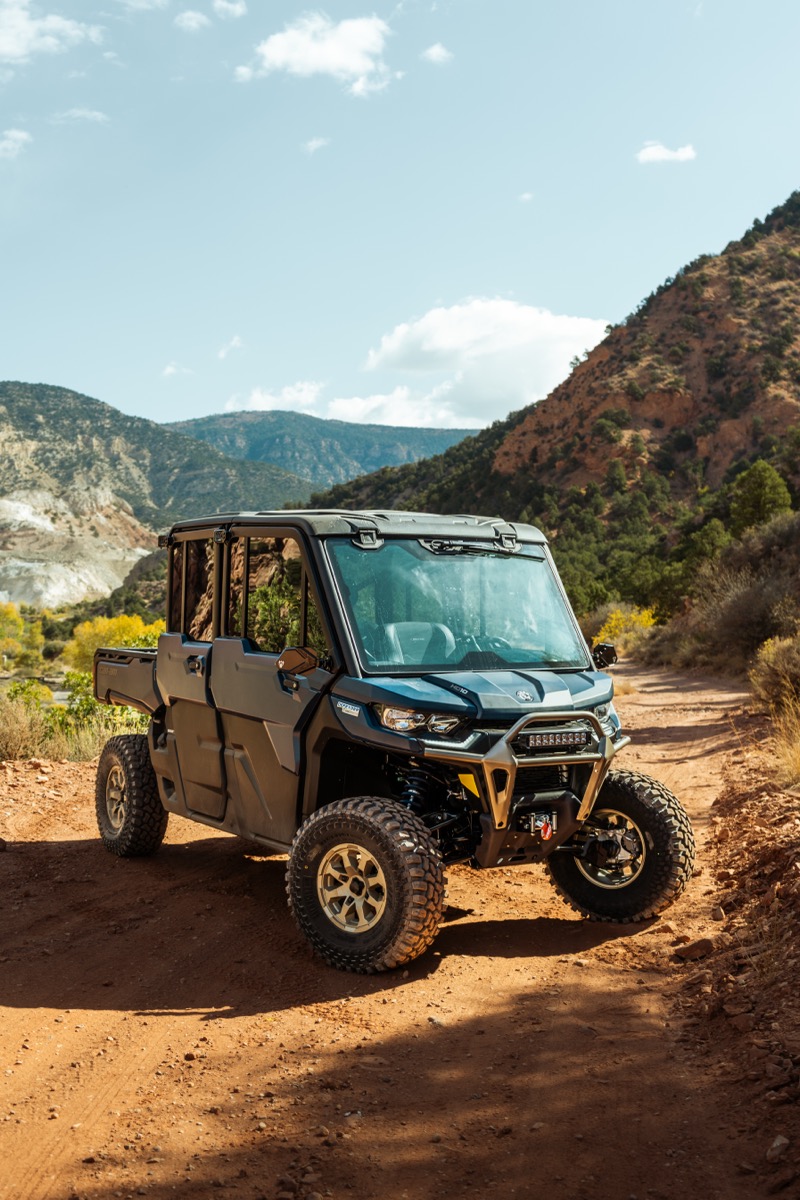
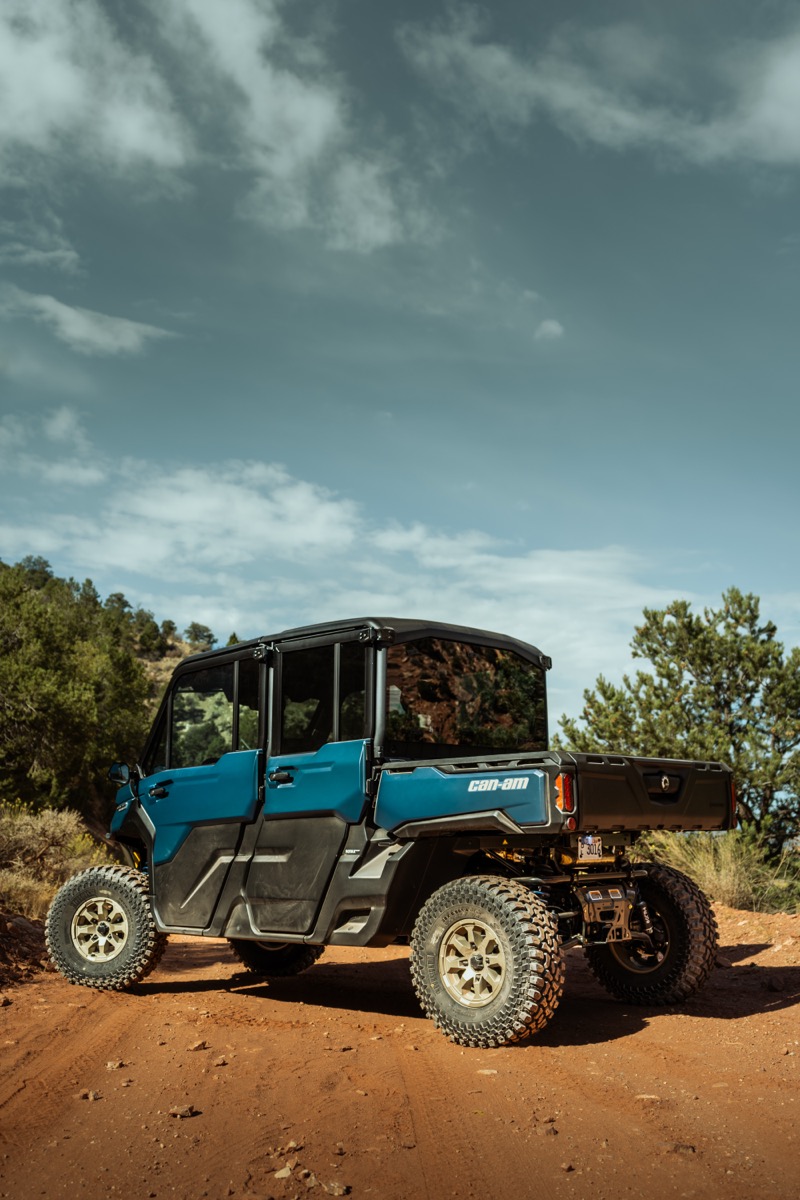
The canyon and mountain trails east of Cedar City are a different world — red rock walls, alpine forests, and elevation that keeps you cool all summer.
When it's 105°F on the valley floor, Brian Head is sitting at 68°F with a breeze. That alone makes this area worth the 30-minute drive from Cedar City. But the riding itself is what keeps people coming back.
The trail network above Brian Head and across Cedar Mountain connects old mining roads, forest service routes, and singletrack into a system you could ride for days without repeating yourself. The terrain shifts from red rock canyon floors to dense aspen groves to alpine meadows above treeline. You'll cross creeks, climb switchbacks with real exposure, and navigate rock gardens that separate the machines with travel from the ones without.
This is also the riding area closest to Cedar City. The Dixie National Forest access points are right off Highway 143, and you can be on a trail within minutes of leaving pavement.
What to know before you go: Elevation matters. Your engine loses about 3% power for every 1,000 feet above sea level, and Brian Head peaks above 11,000 feet. Turbocharged machines (like the Maverick X3) handle altitude better than naturally aspirated ones, but even turbo setups run different up high. Trails can be muddy through mid-June from snowmelt, and afternoon thunderstorms roll in fast during July and August. Check weather before you go and carry rain gear — hypothermia is a real risk above 9,000 feet when you're soaking wet.
Machine setup: All-terrain tires with good rock protection. The trails up here will eat low-profile sand tires alive. A full skid plate is mandatory — the rock ledges are sharp and unforgiving. Consider a winch if you're venturing into the backcountry alone. And make sure your cooling system is clean and your coolant is fresh. Engines work harder at altitude, and overheating on a switchback with no cell service is a bad day.
The Paiute ATV Trail — 2,000 Miles of Connected Riding
Location: Central Utah, trailheads in Marysvale, Beaver, and Junction (90 miles north of Cedar City) Terrain: Forest roads, mountain passes, creek crossings, diverse everything Difficulty: Easy to expert (depends on segment) Best for: Multi-day trips, long-distance riding, serious trail exploration
The Paiute ATV Trail system is the longest in Utah and one of the longest in the country. The main loop is roughly 275 miles, but with connectors and spur trails, the total system exceeds 2,000 miles. You could ride a different route every weekend for a year and not cover all of it.
The terrain varies wildly by segment. The Marysvale area offers wider, graded forest roads that work for any machine. The Kimberly–Big John loop climbs through high-altitude passes with tight switchbacks and rocky sections. The Beaver Mountain segments wind through old mining districts where the trails were carved by ore wagons 150 years ago.
What to know before you go: Plan your fuel. The Paiute Trail passes through small towns where gas is available, but some of the longer loops will push a stock tank's range. Carry a fuel can or know where the stops are. Cell service is nonexistent on large stretches — ride with a group and carry a satellite communicator if you're doing remote segments. The trail is well-marked with numbered posts, but download the Paiute Trail map to your phone before you lose signal.
Machine setup: This is touring country. Comfort matters when you're in the seat for 8 hours. A windshield, roof, and good seats pay for themselves on day one. All-terrain tires with decent sidewall protection handle the mixed terrain. Carry basic tools — spare belt, tire repair kit, zip ties, and a tow strap. The Paiute Trail is remote enough that self-recovery skills and gear aren't optional.
Sand Mountain — The Other Sand Playground
Location: Near the town of Sand Mountain, accessed from Milford or Delta Terrain: Large sand dunes, open desert Difficulty: Intermediate to advanced Best for: Experienced sand riders, big dune runs
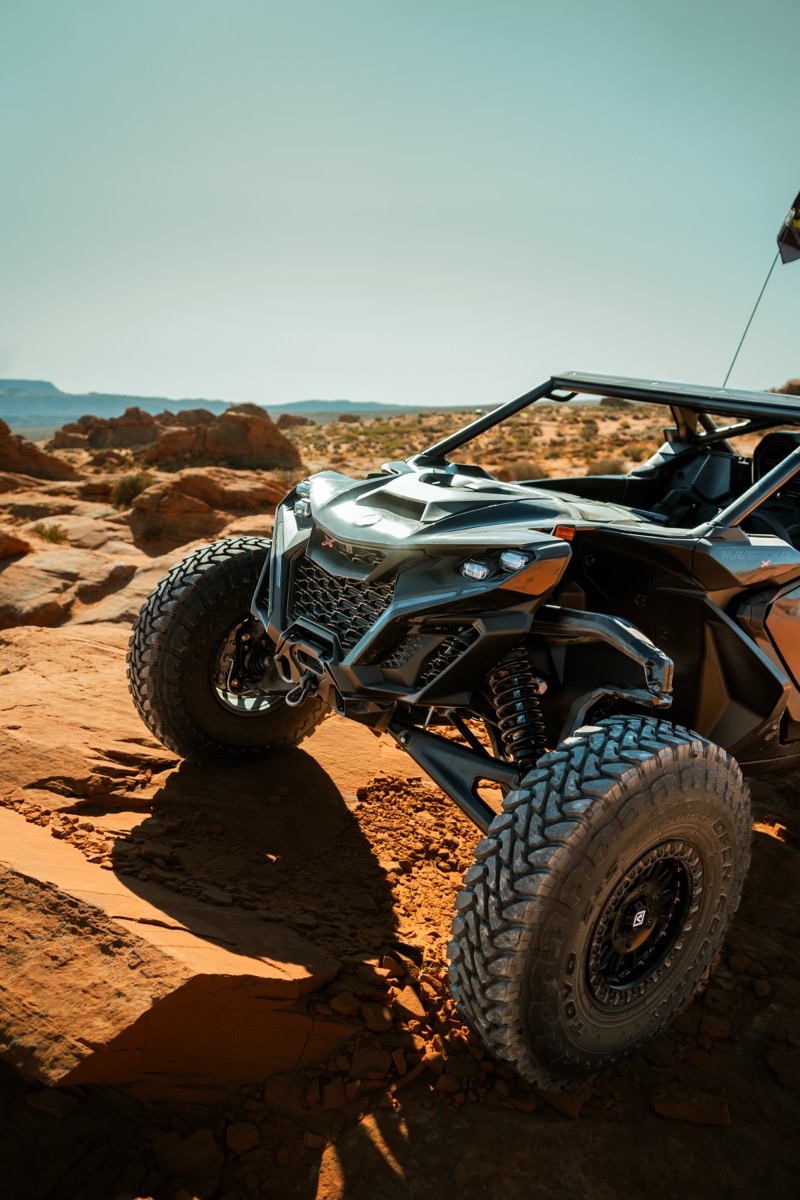
Southern Utah's terrain ranges from deep sand to hard rock — and the best riders set up their machines differently for each one.
Sand Mountain draws a more experienced crowd than Sand Hollow or Coral Pink. The dunes are bigger, the terrain is more open, and there's less hand-holding from park infrastructure. This is where riders go when they want raw sand riding without the state park crowd.
The area is BLM land, so there are no entry fees — just show up and ride. But that also means no rangers, no facilities, and no one coming to pull you out if you bury your machine on a dune face. Come prepared.
What to know before you go: Sand Mountain is more remote than the other destinations on this list. Bring everything you need — fuel, water, food, tools, and a recovery plan. The nearest services are in Milford or Delta, neither of which is a quick run. Riding here is a commitment, not a casual afternoon outing.
Machine setup: Paddle tires are essential, not optional. A long-travel machine handles the big dune faces better than a utility UTV — this is Maverick territory, not Defender country. Make sure your suspension is dialed for sand. And clean your air filter after every session. Sand Mountain sand is coarser than Coral Pink but it still gets everywhere.
What You Need Before You Hit Any Trail
Regardless of which destination you're heading to, there's a baseline checklist every rider in Utah needs to cover.
Utah OHV Registration
All off-highway vehicles ridden on public land in Utah must be registered through the Division of Motor Vehicles. It's a straightforward process — fill out the application, pay the fee (currently $30), and display the sticker on your machine. Riding unregistered on public land is a citable offense, and the fines aren't cheap.
Required Safety Gear
Helmets — required for riders under 18 on public land, strongly recommended for everyone
Whip flag — mandatory in dune areas (Sand Hollow, Coral Pink, Sand Mountain) and a smart idea everywhere
Eye protection — if your machine doesn't have a windshield, goggles or a full-face helmet are essential
Fire extinguisher — not legally required but carrying one in dry desert conditions is common sense
Trail Essentials
Spare drive belt (the single most common trailside failure)
Tire repair kit and portable air compressor
Tow strap or recovery rope
Basic tool kit — wrenches, pliers, zip ties, electrical tape
First aid kit
More water than you think you need (minimum 1 gallon per person per day in summer)
A properly set up machine makes every trail better — the right tires, protection, and gear turn a good ride into a great one.
Matching the Machine to the Terrain
Here's the reality: no single setup is perfect for every trail on this list. Sand Hollow and Coral Pink reward paddle tires and long travel. Brian Head and the Paiute Trail demand rock protection and all-terrain rubber. Sand Mountain wants horsepower and suspension tuned for big hits.
Most riders in Southern Utah settle into one of two approaches:
One machine, two tire sets. Keep a set of paddles for sand weekends and all-terrain tires for mountain runs. Swapping takes 30 minutes and changes the machine's personality completely.
Two machines for two jobs. A Maverick for the sand and a Defender for the mountains and ranch work. Sounds like overkill until you've done it — then it sounds like the smartest purchase you've made.
Either way, the machine needs to be maintained. Desert sand, mountain mud, and creek crossings all take a toll. Regular service catches the small stuff — a torn boot, a worn belt, a clogged filter — before it turns into a trailside breakdown 40 miles from the truck.
Why Cedar City Is Home Base for All of It
Look at a map and the geography speaks for itself. Cedar City sits at the center of Southern Utah's riding universe:
Brian Head / Cedar Mountain: 30 minutes east
Sand Hollow: 55 minutes south
Coral Pink Sand Dunes: 85 minutes south
Paiute Trail (Marysvale): 90 minutes north
Sand Mountain: 2 hours northwest
That's five world-class riding destinations within 2 hours of town. And sitting right here in Cedar City is a factory-authorized service department that's been keeping machines trail-ready since 1978. Need a belt before a weekend trip? Need your suspension revalved after a season of sand? Need tires swapped from paddles to all-terrain before a mountain run? It's all here, and it doesn't require a 3-hour drive to Salt Lake to get it done.
Ready to ride Southern Utah?
D&P Performance is Cedar City's factory-authorized Can-Am, Ski-Doo, and Lynx dealer — and the closest full-service powersports shop to the best riding in the state. Whether you need a new machine, service on your current one, or just advice on which trail to hit this weekend, we're here.
Do I need to register my UTV to ride trails in Utah?
Yes. Utah requires OHV registration for all off-highway vehicles ridden on public land. You can register through the Utah Division of Motor Vehicles — the fee is currently $30, and the sticker must be displayed on your machine. Some parks like Sand Hollow also charge a separate day-use or annual pass.
What is the best UTV trail in Southern Utah for beginners?
Sand Hollow State Park near Hurricane. The open sand areas let new riders build confidence without tight switchbacks or steep ledges. The dunes range from gentle rollers to more challenging faces, so you can progress at your own pace. Parts of the Paiute Trail near Marysvale are also beginner-friendly.
Can I ride my UTV on the road in Southern Utah?
Utah allows street-legal OHV operation on most roads outside of interstate highways, provided your machine meets state requirements: DOT tires, mirrors, headlights, taillights, a horn, and a valid street-legal permit. Many Southern Utah towns — including Cedar City, Hurricane, and Kanab — allow OHV traffic on city streets.
Where can I get my UTV serviced near these trails?
D&P Performance in Cedar City is the closest factory-authorized Can-Am, Ski-Doo, and Lynx dealer to most Southern Utah trail systems. We service all UTV brands with factory-trained technicians and genuine OEM parts. Call (435) 586-5172 for appointments.
What tires should I run for Southern Utah UTV trails?
It depends on the terrain. Paddle tires for Sand Hollow and Coral Pink Sand Dunes. All-terrain or rock-biased tires with reinforced sidewalls for Brian Head and the Paiute Trail. Many riders keep two sets and swap based on the weekend's destination. D&P Performance can help match tires to your riding style and terrain.
Tags:
UTV Trails
Southern Utah
Sand Hollow
Coral Pink Sand Dunes
Paiute Trail
Brian Head
Cedar City
Sand Mountain
OHV
Can-Am